Is Lawai Country Lifestyle Right for Your Goals?
July 2, 2026
July 2, 2026
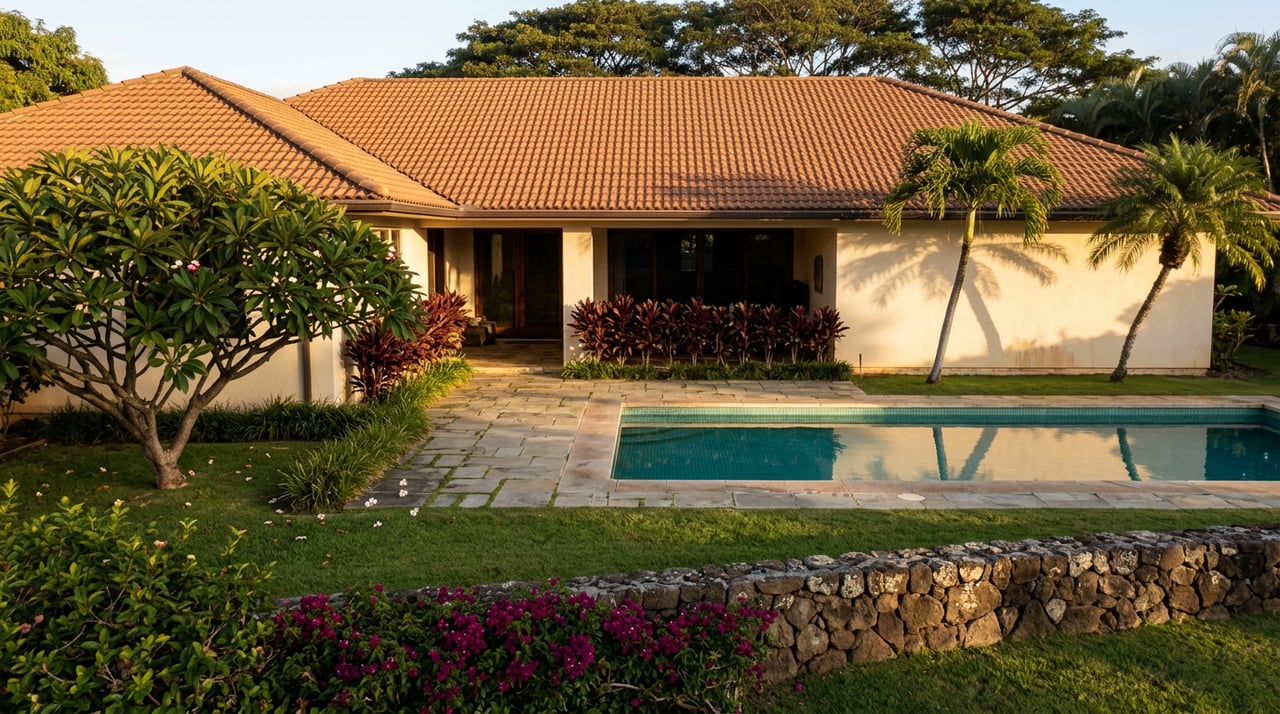
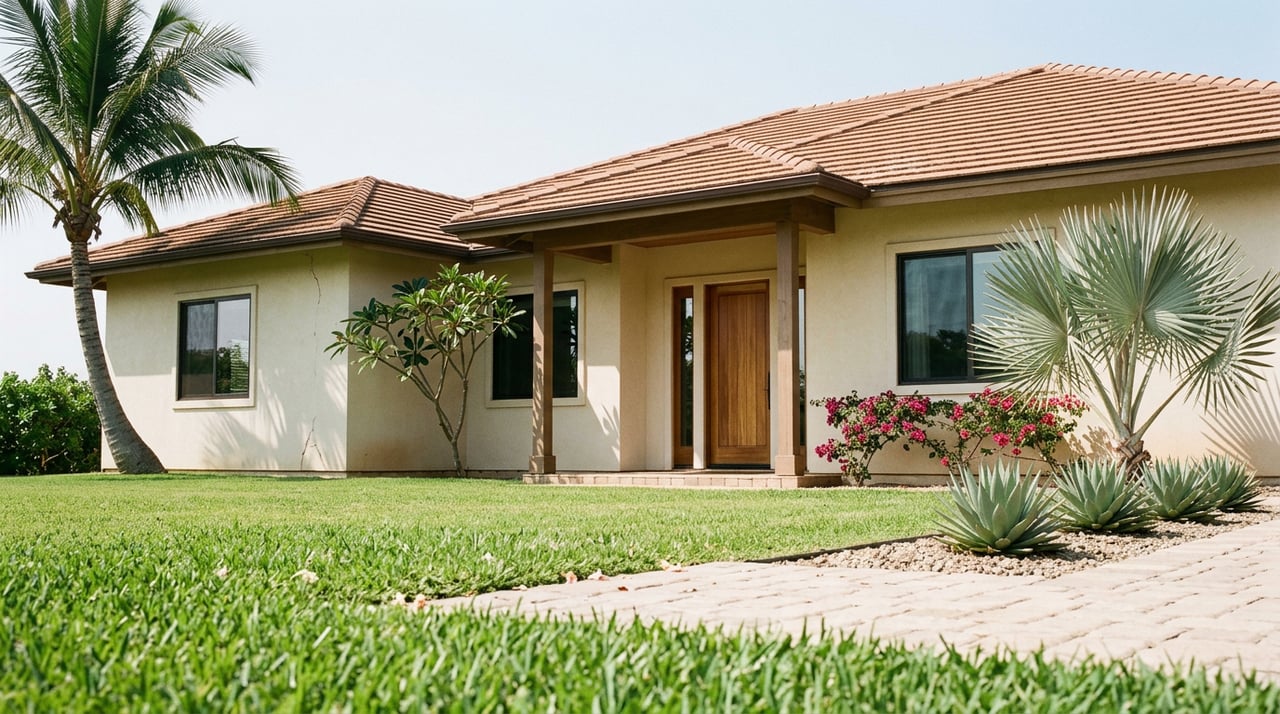
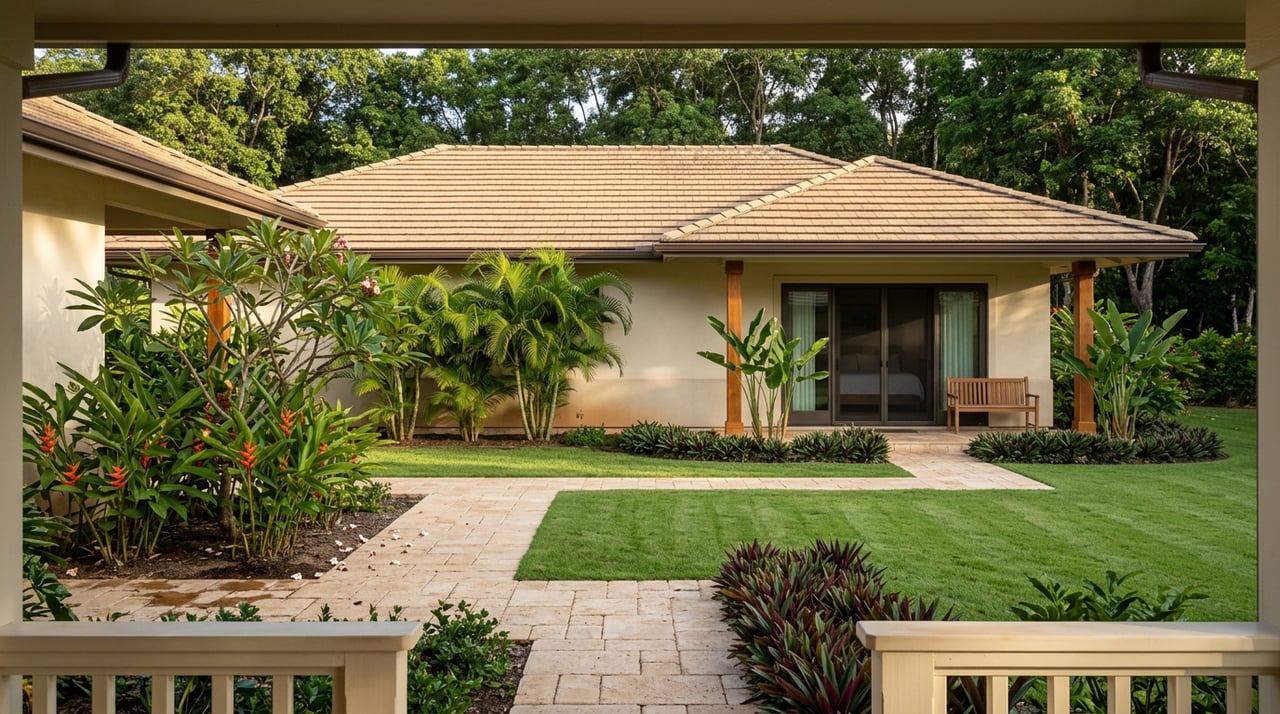
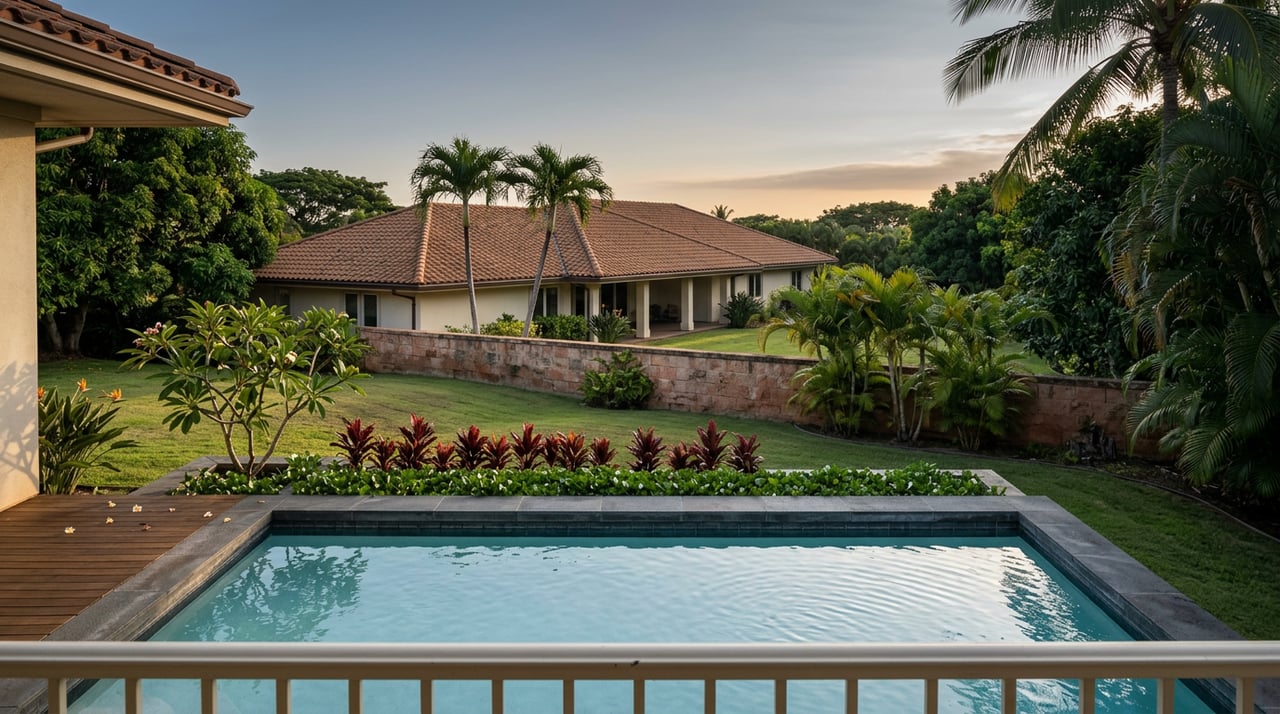
If you love the idea of growing on your own land but still want a comfortable, well-planned home base, Lawai deserves a closer look. This part of South Kauai offers a setting where agricultural use and everyday living can coexist, but the balance matters. When you understand how the area is planned and how agricultural parcels typically function, you can make smarter decisions about buying, building, or improving property here. Let’s dive in.
Lawai sits within South Kauai’s broader patchwork of rural centers, residential communities, agricultural land, open space, and scenic view planes. County planning describes this side of the island as intentionally low-rise and more rural around the edges, with limited growth directed toward places like Kalāheo, Kōloa, and Poipu.
That planning framework helps explain Lawai’s appeal. You get a semi-rural setting that feels quieter and more land-oriented, while still being tied to nearby service and activity nodes. For many buyers, that creates the right blend of space, privacy, and practicality.
In Lawai, your experience of a property often starts with its land use district. The State Land Use Commission says the Agricultural District is intended for crops, aquaculture, livestock, and agriculture-support activities, while the Rural District is meant for small farms and low-density residential lots.
That distinction matters because it affects how a parcel is meant to function. In simple terms, agricultural land is not just larger residential land. The county and state planning approach treat the agricultural use as the primary purpose, with residential use secondary on agricultural land.
The South Kauai Community Plan notes that agricultural land in this district includes everything from large fields to taro loi and small papaya farms. That range tells you something important about Lawai. Agricultural living here can mean active farming, small-scale cultivation, or a more modest garden-oriented lifestyle, but the land is still meant to support agricultural use first.
For buyers, this means you should think beyond the house itself. You are also evaluating how the land supports your intended use, whether that means hobby farming, orchards, gardens, or simply preserving the working-land character of the property.
Kauai County code sets a standard pattern in the Agriculture District of one dwelling per acre, plus one additional dwelling for each extra three acres, up to five dwellings. The code also includes dimensional standards such as a 150-foot minimum average lot width and a four-to-one length-to-width cap.
These rules help protect farmland and limit the spread of urban-style residential development. For you as a buyer or owner, they shape what is realistic when comparing one parcel to another. Two properties with similar acreage may not offer the same flexibility depending on layout, access, and how improvements fit within county standards.
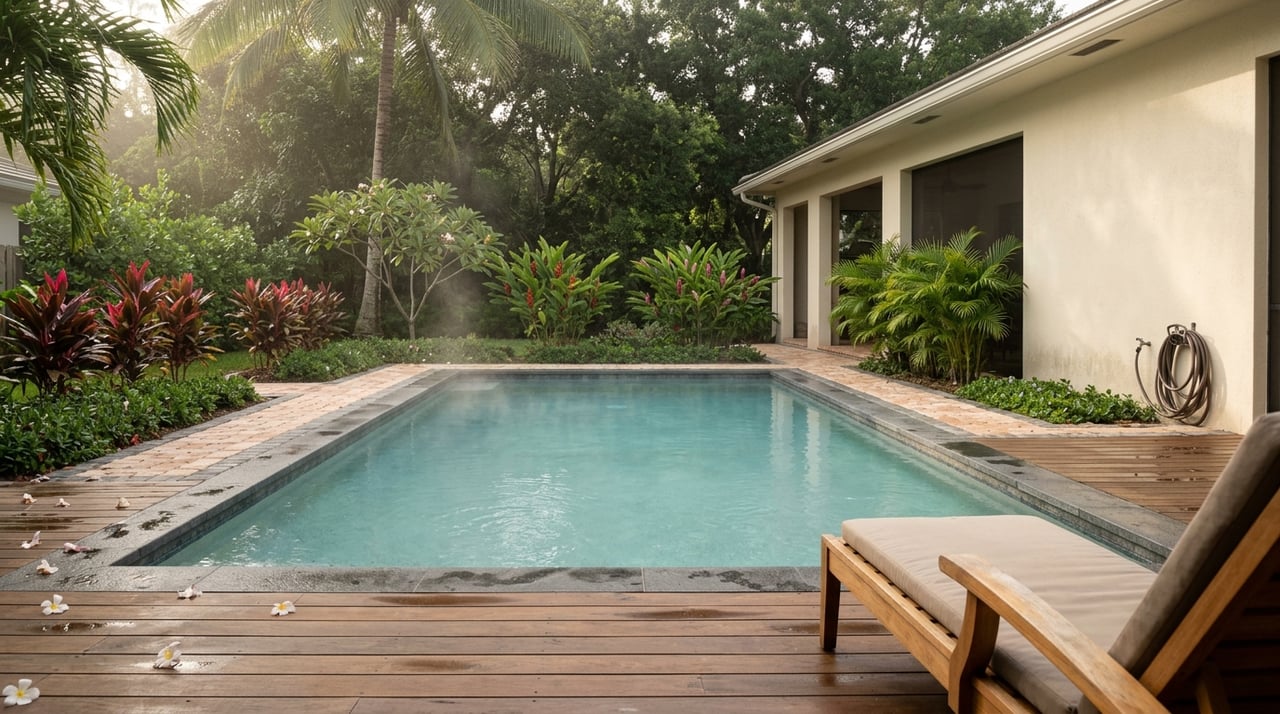
Choosing Lawai does not mean giving up comfort. It means understanding that comfort living usually works best when it complements the land rather than competing with it.
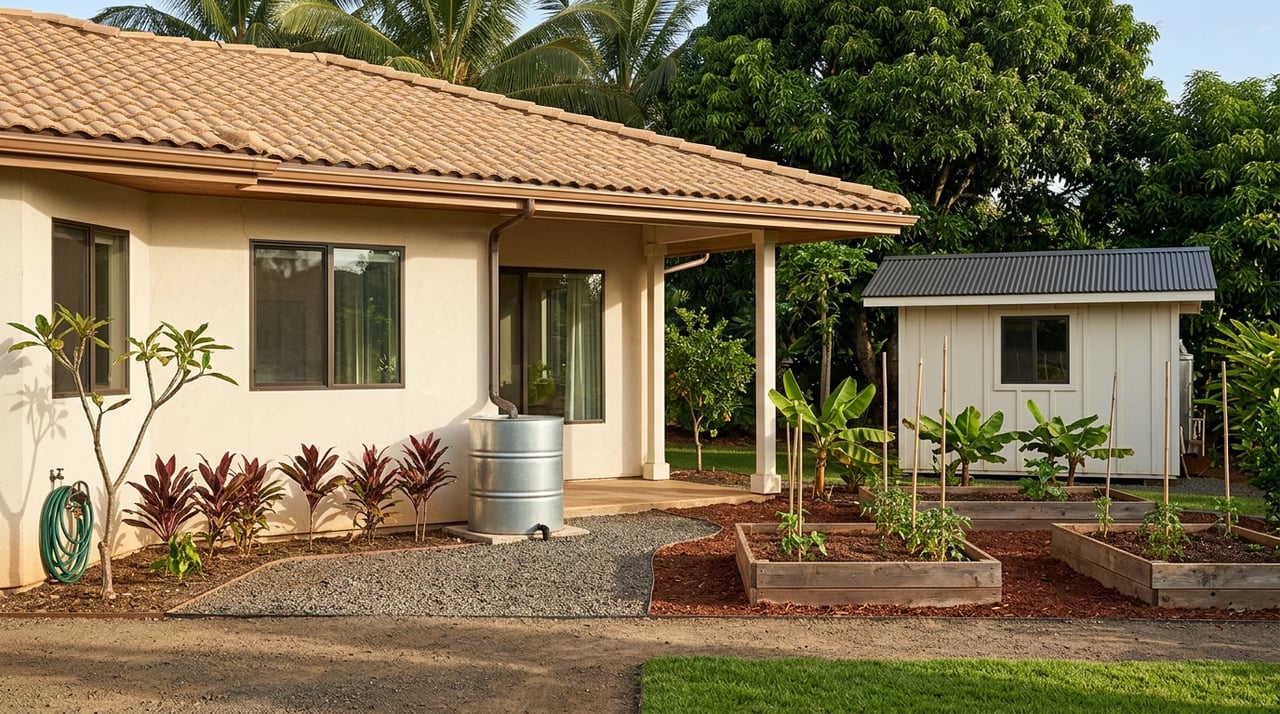
The county defines an accessory structure as something subordinate to the main use and not intended for human occupancy. In practice, that often supports utility-focused improvements that help a property function well day to day.
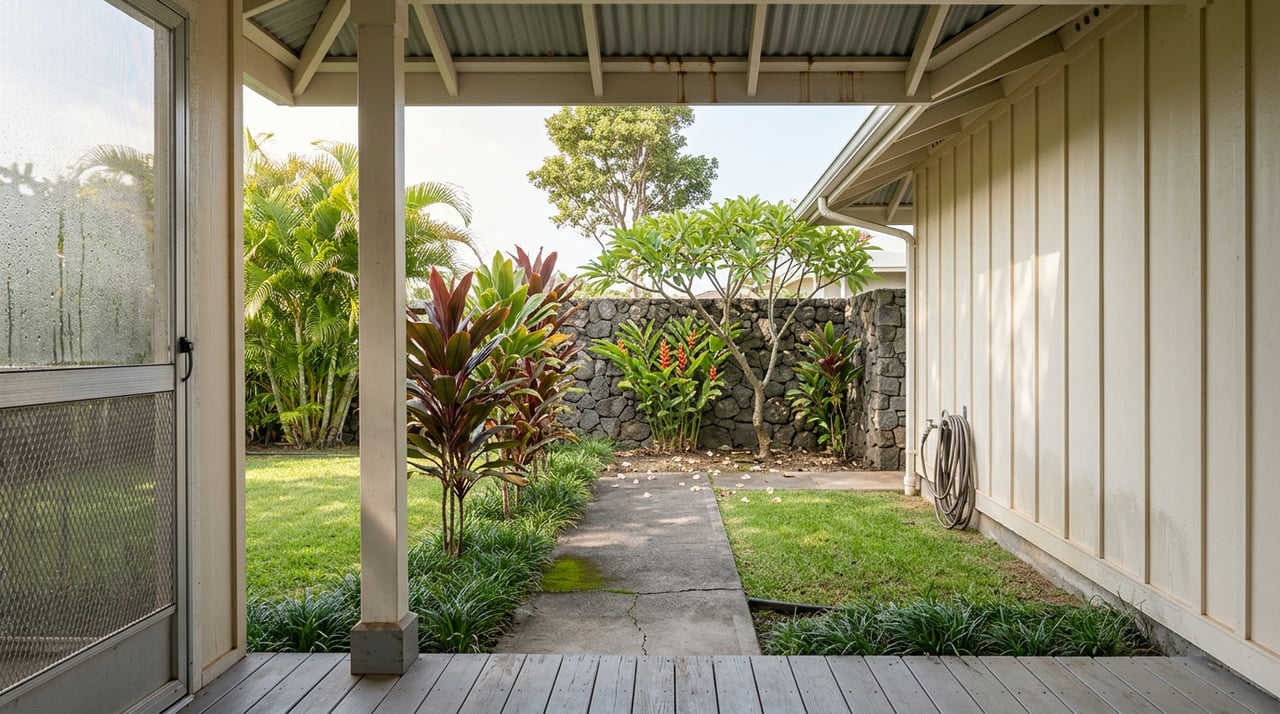
On a Lawai-style property, the code framework generally points toward improvements like storage, utility-oriented outbuildings, parking, and outdoor living areas rather than creating extra full-time living quarters. That is a practical takeaway for buyers who want the feel of a well-equipped country property without losing sight of what the parcel is intended to be.
This can be a real advantage. Thoughtful storage for equipment, covered areas for work or supplies, and usable outdoor space can make a property far more enjoyable and efficient, especially if you plan to maintain gardens or small-scale agricultural areas.
Kauai County does allow a guest house in the Agriculture District and several other districts, but there are clear rules. A guest house must remain under 800 square feet, include parking, stay tied to the primary dwelling, and cannot be used as a transient vacation rental or homestay.
Before permit review, the county also checks requirements related to water, wastewater or sewer, and fire approval. If a guest house is part of your vision, these details are not minor. They can affect both your timeline and how you plan the overall layout of the property.
One of the biggest reasons buyers are drawn to Lawai is lifestyle rhythm. County planning for South Kauai directs growth into specific nodes including Kalāheo Town, Kōloa Town, Poipu Roundabout, Lāwa‘i Cannery, Poipu Gateway Mixed-Use Village, and Numila.
That pattern supports the idea of Lawai as a semi-rural base. You can enjoy land, open space, and a slower pace at home while relying on nearby towns and coastal areas for services, shopping, dining, and day-to-day convenience.
County planning materials describe Kalāheo as the most substantial commercial destination along the highway stretch between Eleele and Lihue. The same planning documents describe Kōloa’s main street as one of Kauai’s most walkable town centers.
For you, that means Lawai does not stand alone. It fits into a broader South Shore pattern where inland properties connect naturally to town services and established activity centers nearby.
On this side of the island, Poipu is treated in county planning as the resort destination. That gives Lawai owners another layer of convenience and lifestyle access, especially if you value proximity to dining, coastal amenities, and visitor-serving areas without necessarily living in the center of them.
This is part of what makes Lawai appealing to second-home buyers and buyers looking for a more spacious alternative to resort-centered ownership. You can keep your home life more grounded and land-focused while staying connected to South Shore amenities.
If you are thinking about buying in Lawai, clarity matters more than assumptions. A beautiful parcel can still be the wrong fit if your goals for the property do not match how the land is intended to be used.
Start by thinking through your priorities:
These questions can help narrow your search quickly. They also help you compare properties based on function, not just appearance.
Lawai properties often require a more nuanced read than a typical neighborhood home search. Land use, parcel layout, improvement potential, and the relationship between residential comfort and agricultural purpose all matter here.
That is where experienced local guidance becomes especially valuable. When you are weighing acreage, planning context, and long-term usability, you want a clear picture of how a property may support your goals today and over time.
For buyers seeking South Shore acreage or sellers preparing a land-based property for market, presentation and positioning also matter. The right strategy can highlight not just the home, but the usability, setting, and lifestyle value that make a Lawai property stand out.
If you are exploring Lawai and want help evaluating acreage, comfort-living potential, or how a property fits into the broader South Shore market, connect with Brenda Crawford for a private Poipu market consultation.
Stay up to date on the latest real estate trends.
Etiam non quam lacus suspendisse faucibus interdum. Orci ac auctor augue mauris augue neque. Bibendum at varius vel pharetra. Viverra orci sagittis eu volutpat.