Poipu Luxury Home Selling: How to Achieve a Standout Sale
February 19, 2026
February 19, 2026
Selling a luxury home in Poipu should feel exciting, not overwhelming. You want a fast, clean sale at a top-of-market price with no surprises. The right preparation can make your listing stand out to serious buyers, including out-of-state second-home seekers and investors. Below is a clear plan tailored to Koloa and Poipu that covers inspections, TVR documents, coastal-ready upgrades, staging, pricing, and a compact six-week launch timeline. Let’s dive in.
Many Poipu buyers are from the U.S. mainland and are drawn by lifestyle and vacation-rental potential. Visitor arrivals and spending patterns shape demand, so it helps to target your marketing to proven feeder markets such as California and the Pacific Northwest. You can prioritize outreach based on travel trends from the state’s tourism and economic reports, including arrival and spend data from the Department of Business, Economic Development and Tourism. You can review those updates on the state’s site for tourism arrivals and expenditures.
Short-term rental status is a key value driver in Poipu. Kaua‘i strictly regulates Transient Vacation Rentals, and most new TVR approvals are limited to designated Visitor Destination Areas. If your property operates as a TVR, assemble your file early: TVR certificate or Non-Conforming Use documentation, renewal history, local contact info, evacuation plan, and any enforcement records. Buyers and their lenders will ask to confirm compliance. Study the county’s Kaua‘i TVR rules and renewal process to be sure your records are complete.
Pre-list reports help you control the timeline and limit renegotiations. For South Shore luxury listings, order:
Keep a repair log with invoices, photos, and warranties. Pre-list transparency builds buyer confidence and can shorten contingency periods.
Many older Kaua‘i properties still use cesspools. Confirm whether your parcel connects to sewer or a septic system, or maintains a cesspool. Disclose the system type and gather any cesspool cards, upgrade permits, or grant paperwork. The Department of Health’s program outlines conversion priorities and a pilot grant for eligible owners. Review the state’s Cesspool Conversion Pilot Grant Program so you can answer buyer and lender questions with confidence.
Coastal properties often sit in Special Flood Hazard Areas. Pull your FEMA flood map, check Kaua‘i’s Flood Hazard Assessment Tool, and secure any Elevation Certificates on file. If your home is in a Coastal High Hazard or V-zone, gather mitigation records and recent insurance quotes to share with buyers. County resources and FEMA guidelines are available through Kaua‘i Floodplain Management.
If you rent part-time or full-time, gather and verify your General Excise Tax and Transient Accommodations Tax registrations. Starting January 1, 2026, the state TAT rate increases from 10.25% to 11% for receipts on or after that date. Work with your tax advisor and property manager on pass-through and remittance, and display registration numbers on listings as required. The state provides guidance on renting residential property and tax requirements.
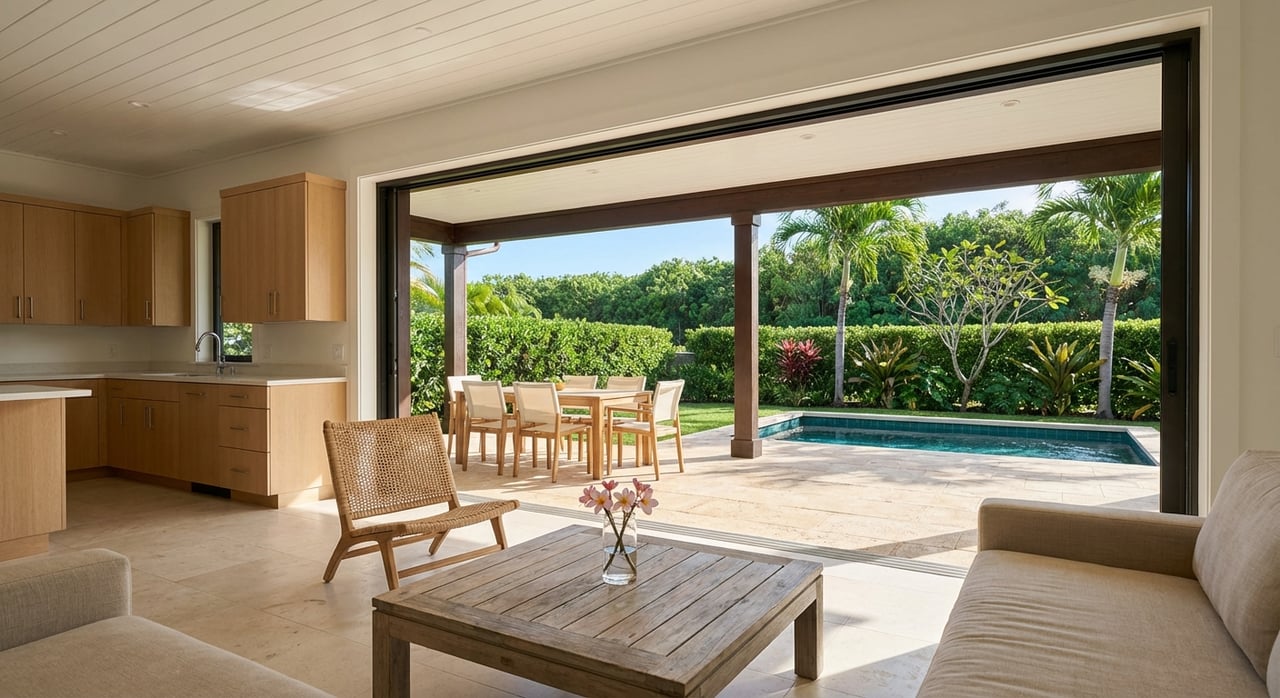
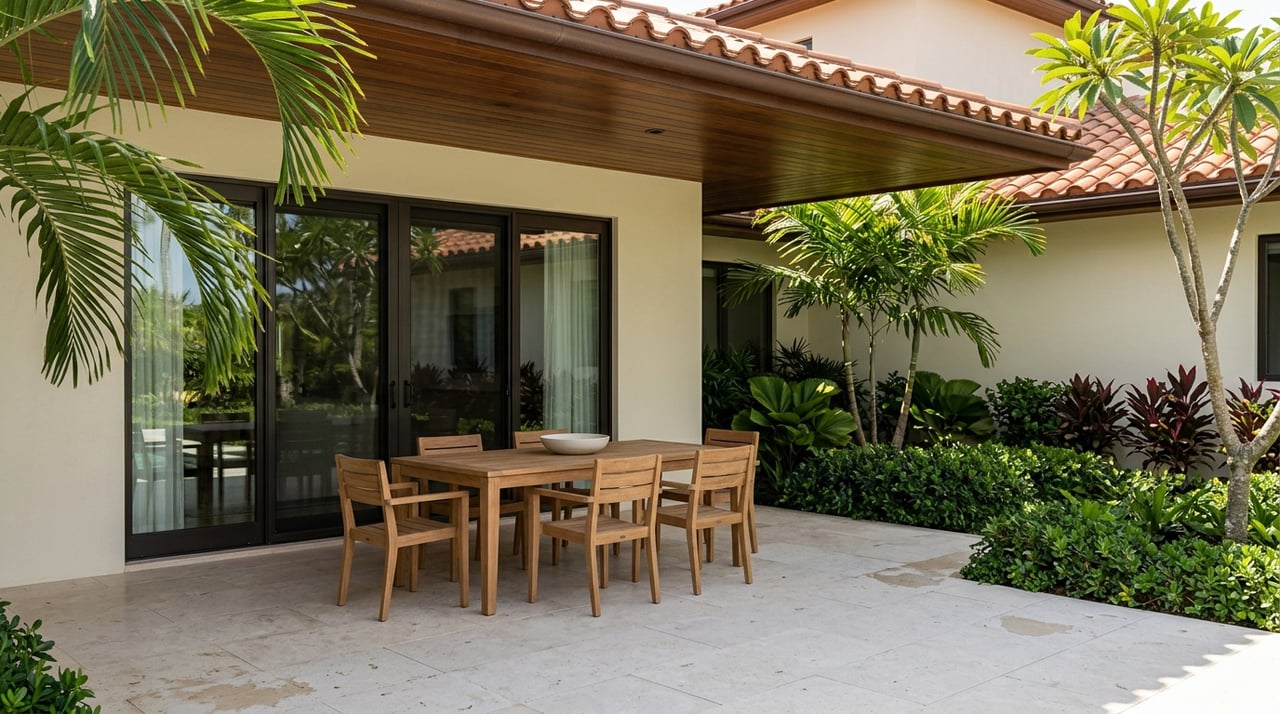
Poipu buyers value open sightlines, natural light, and seamless transitions to lanais and gardens. Consider pocket or folding doors where possible, reconfigure bulky window treatments, and trim vegetation that blocks views. Refresh lanai floors and railings, and arrange outdoor seating to read as an extension of the living room.
Premium buyers expect well-finished kitchens and primary suites. Focus your budget on quality appliances, durable countertops, well-lit task zones, and updated fixtures. In primary baths, walk-in showers, modern vanities, and spa-style lighting add impact. Match materials to the home’s style rather than chasing trends.
Salt air accelerates wear. Use marine-grade stainless (316) for exposed fasteners and railings, impact and UV-rated windows and glass near the shoreline, and corrosion-resistant hardware. If you update exterior trim or decking, look for materials suited to saltwater exposure. A quick primer on options is available in this overview of coastal-ready materials.
Use licensed, insured Hawai‘i contractors, pull permits when required, and get lien releases. Large remodels can face longer permitting timelines in Hawai‘i, which adds carrying cost. Before you start a major project, confirm whether the expected value lift outweighs time and budget risk. University of Hawai‘i research highlights how regulatory delays contribute to build costs. You can read the findings on regulatory costs and permitting impacts.
Professional staging helps buyers understand scale and how spaces live day to day. The National Association of REALTORS reports that staging often reduces time on market and can increase offers. In Poipu, stage outdoor living with the same care as interiors to show year-round functionality. See the NAR summary on how staging can boost price and reduce time.
Invest in pro photography that includes twilight exteriors, clean window views, and detail shots that highlight finishes. Add aerials to show lot context, coastline proximity, and neighborhood amenities, plus a 3D tour or high-quality video walkthrough for out-of-market buyers. Provide floor plans and room measurements to remove uncertainty.
For drone work, only hire FAA Part 107 certified operators with insurance, and confirm written flight permissions. This protects you from liability and ensures legal compliance. Review the FAA’s overview of Part 107 rules for commercial drones.
Coordinate a launch that reaches national luxury portals and a global luxury audience, then focus ads in feeder markets informed by state tourism trends. The goal is to get high-quality traffic in the first two weeks, since strong early momentum often yields better terms. Use clean, consistent messaging about lifestyle, views, rental history if applicable, and compliance documentation.
Set list price using three pillars:
Be responsive in the first 10 to 14 days. Monitor showing feedback and online engagement, then fine-tune price, terms, or presentation to keep momentum high.
Resort-area showings may need to coordinate with HOA rules, security, and check-in schedules. Share a clear showing protocol with lead-time windows, property manager contacts, and cleaning blocks. If the home will be vacant for photos or showings, reconnect utilities, set climate controls, and consider vacant-home insurance endorsements. Keep maintenance logs and recent service receipts in your disclosure packet to answer questions on the spot.
Use this compact schedule, then adapt by scope:
Preparing with this level of detail signals quality and reduces buyer hesitation. It also supports smoother underwriting and a faster closing once you are under contract.
If you want white-glove help tailoring this plan to your property, including staging direction, construction oversight, and global luxury marketing, reach out to Brenda Crawford for a private Poipu market consultation.
Stay up to date on the latest real estate trends.

Etiam non quam lacus suspendisse faucibus interdum. Orci ac auctor augue mauris augue neque. Bibendum at varius vel pharetra. Viverra orci sagittis eu volutpat.