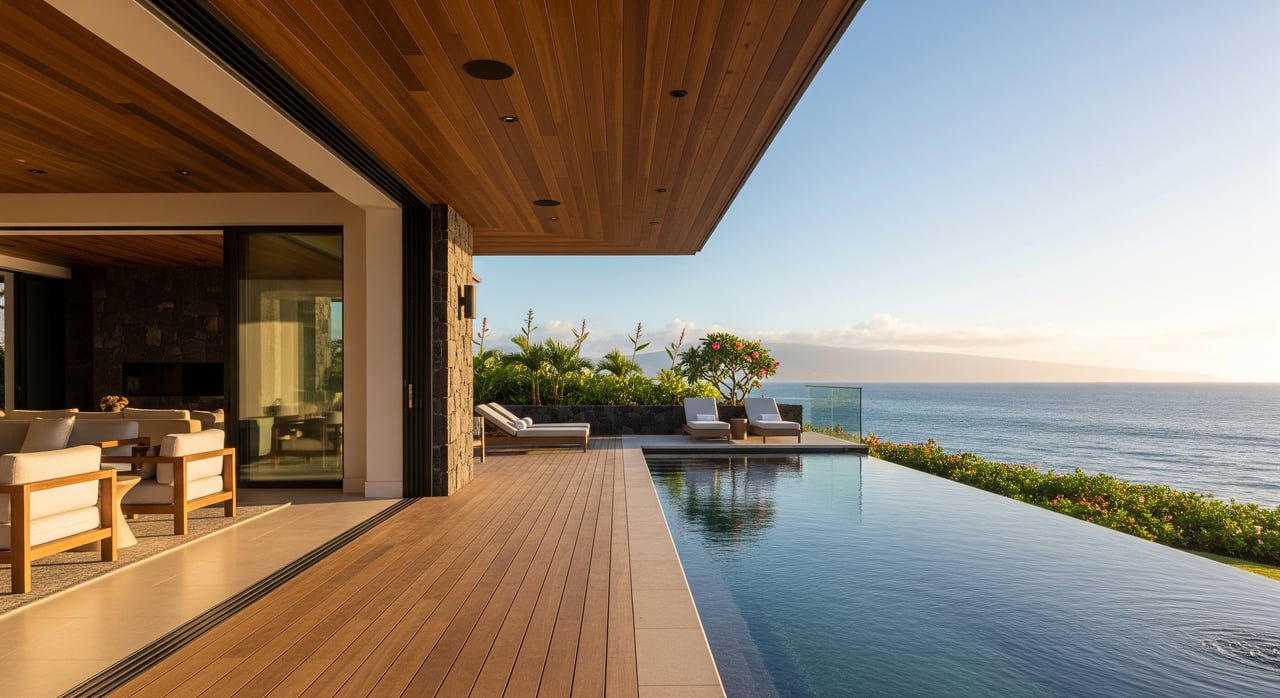
Discover The Poipu Second Home Lifestyle
February 5, 2026
February 5, 2026
Ever wonder what daily life feels like when your second home sits in the sunniest corner of Kauai? If you are drawn to turquoise water, golf by the ocean, and a slower island pace, Poipu might be exactly what you picture. Owning here blends resort convenience with real island character, but it also comes with real-world costs, rules, and long-term planning. In this guide, you will learn what the lifestyle looks like, what it costs to own, how rentals work, and the key due diligence steps to protect your investment. Let’s dive in.
Poipu sits on Kauai’s South Shore, which is typically sunnier and drier than the North Shore. You can expect warm weather year-round with a drier stretch from spring through fall and a wetter season in winter. Ocean conditions shift with the seasons, so you will see calmer snorkeling days in summer and more powerful surf in parts of winter.
Poipu Beach Park, Brennecke’s, and Shipwreck Beach offer easy access to swimming, snorkeling, tidepools, and coastal walks. You may see green sea turtles and monk seals resting on the sand. Nearby trails along the Mahaulepu coastline add casual hiking to your routine, and local courses, including Poipu Bay, keep golf days simple.
Koloa’s historic town center brings small shops and services, while Poipu adds resorts, restaurants, and vacation-friendly amenities. The vibe is relaxed, social, and convenient, with most daily needs close by and a wider selection in Lihue when you want more options.
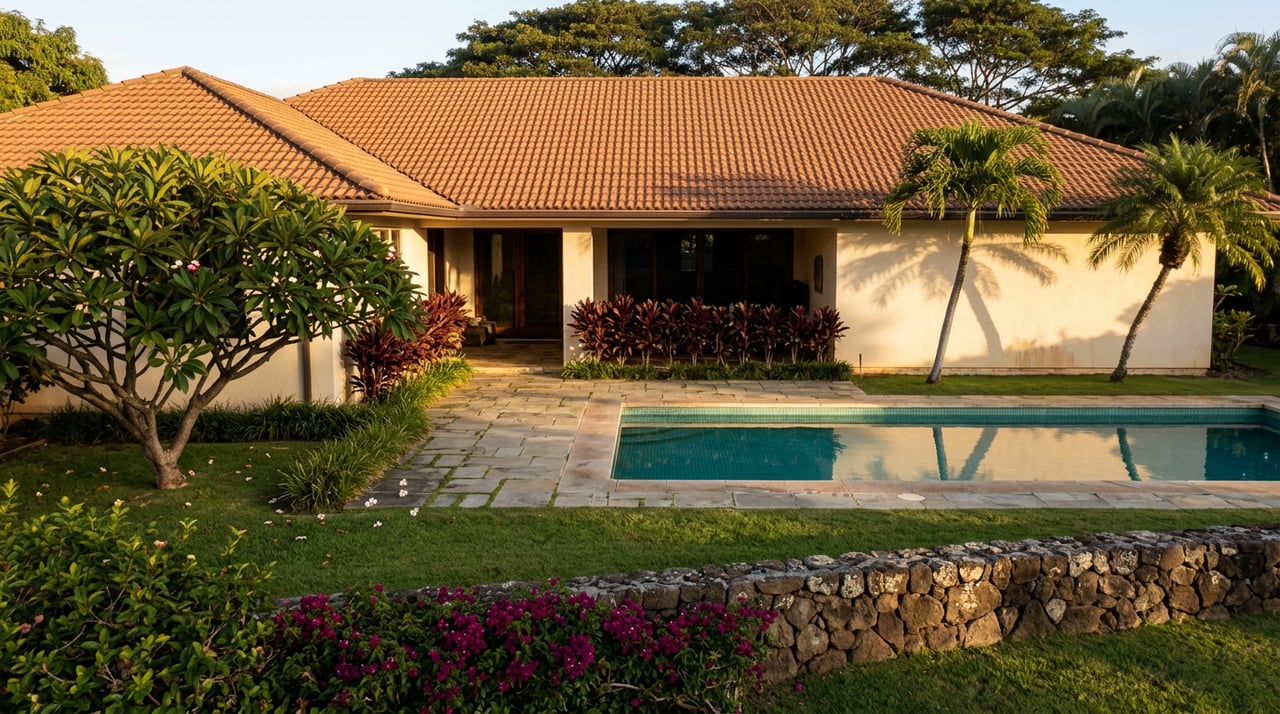
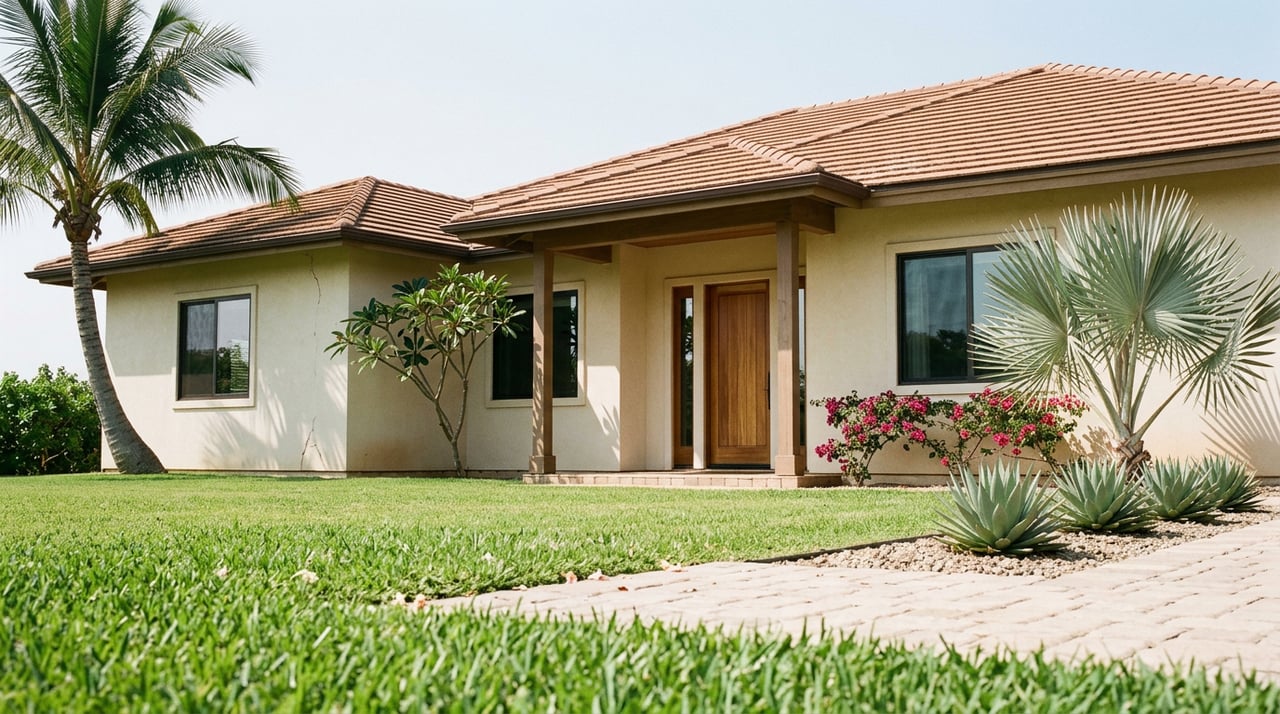
You will find a mix of condo communities, townhomes, and single-family homes. Some buildings are designed around vacation living, while others suit part-time or full-time residency. Gated developments, ocean-proximate neighborhoods, and golf-oriented communities sit side by side.
Owners often choose between a personal-use second home, a long-term rental, or a short-term rental strategy. If you plan to rent short term, make sure the property sits in the correct zone and carries the proper approvals. A hybrid approach can work well if you want personal use while offsetting some costs, but it requires careful planning and management.
Kauai County assigns tax rates by property class. Second homes do not receive the primary-residence exemption. Review classifications and current processes on the county’s Real Property pages, starting with the Kauai County Real Property Assessment site. If you will rent short term, Hawaii requires tax registration and filing for the General Excise Tax (GET) and Transient Accommodations Tax (TAT). You can find current guidance on the Hawaii Department of Taxation GET and TAT information pages.
Premiums in coastal Hawaii are often higher than many mainland markets due to wind and flood exposure. If the home is in a designated flood zone, separate flood insurance may be required. Electricity on Kauai is provided by Kauai Island Utility Cooperative; rates are typically higher than the U.S. average, which is why many owners explore rooftop solar and batteries. Learn about programs and rates through KIUC.
If you buy in a resort condo or planned community, HOA fees can be a significant part of your budget. Plan for landscaping, pool care if applicable, termite and pest control, routine maintenance, and larger capital items over time. Build reserves for roof work, exterior paint, and system upgrades to avoid surprises.
Short-term rental rules in Kauai County have evolved and are enforced. Before you buy, confirm the property’s zoning and transient rental eligibility by tax map key and verify any existing permits. Start with the Kauai County Planning Department for current rules, shoreline setbacks, and permit processes. If you plan to operate an STR, you will also need Hawaii tax registration for GET and TAT.
Many owners hire local property managers for bookings, cleaning, maintenance, and guest support. Fees vary based on services. Expect occupancy and nightly rates to shift with seasonality, with stronger demand around holidays and summer, and softer shoulder periods. Model conservative revenue, vacancy, and cleaning costs so your cash flow plan remains realistic.
Lihue Airport is the main gateway to Kauai with inter-island and select mainland routes that vary by season and airline. Once on island, a car is the most practical way to get around, though rideshare and taxis operate in busier corridors. Allow a short drive from the airport to Poipu depending on traffic.
Groceries, beach goods, and daily services are available in Koloa and Poipu. For specialty items or bulk shopping, many owners make a quick trip to Lihue. Kauai has urgent care and dental clinics island-wide and a main hospital in Lihue for routine and emergency needs. For specialized care, residents often travel to Oahu.
Smart locks, cameras, and remote thermostats help you keep tabs on your home. Many owners set up linen, cleaning, and restocking services between visits. Mail and package planning can include a PO box or local mail service if you receive frequent deliveries when off island.
Shoreline properties can face erosion, storm surge, and gradual sea-level rise over time. Use site-specific tools like the Hawaii Sea Level Rise Viewer and the NOAA Sea Level Rise Viewer to understand exposure, which can impact insurance, permitting, and long-term value. Shoreline hardening is heavily regulated on Kauai, so consult county and state rules early if you are considering coastal work.
Hurricanes and tropical storms are infrequent but possible. Heavy rain can cause localized flooding. Owners often pair surge protection with battery storage or a generator to ride out power interruptions during severe weather. Confirm local drainage and emergency plans as part of your inspection process.
A second home in Poipu gives you sunny days, easy beach access, and a welcoming resort-residential lifestyle. To make the most of it, focus on the details that matter: zoning and STR rules, tax and insurance planning, realistic operating budgets, and long-term coastal resilience. With the right team and clear due diligence, you can enjoy your place now and protect value for years to come.
Ready to explore properties that match your goals? Connect with Brenda Crawford for a private Poipu market consultation.
Stay up to date on the latest real estate trends.
Etiam non quam lacus suspendisse faucibus interdum. Orci ac auctor augue mauris augue neque. Bibendum at varius vel pharetra. Viverra orci sagittis eu volutpat.