Estate-Style Living On Acreage In Kilauea
June 11, 2026
June 11, 2026
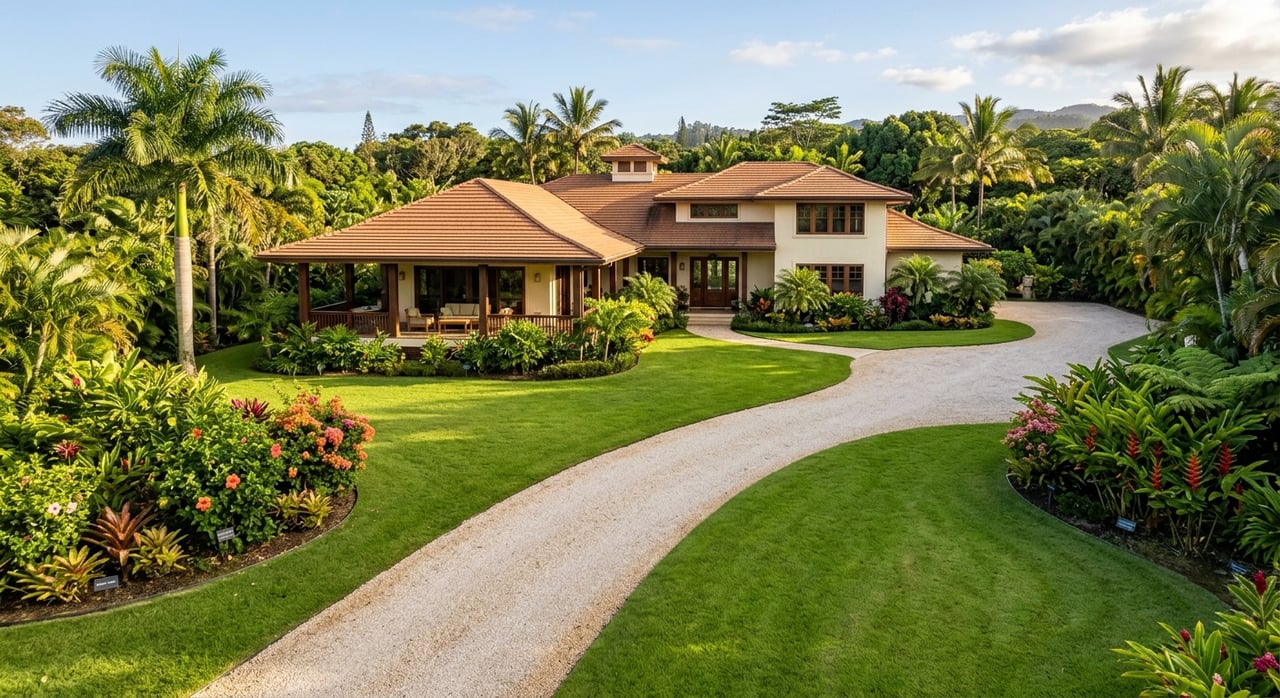
If you want privacy, room to breathe, and a home that feels more like a private retreat than a standard residential property, Kīlauea acreage deserves a close look. This part of Kauaʻi’s North Shore offers a different kind of luxury, where the land itself shapes how you live every day. When you understand how acreage, zoning, water, and maintenance all work together, you can shop with far more confidence. Let’s dive in.
Kīlauea is best thought of as a rural-to-residential luxury market, not a dense town center. County and state planning materials place it on Kauaʻi’s North Shore, about four miles east of Princeville and 12 miles northwest of Kapaʻa. The broader North Shore is described as primarily rural and agricultural, while Kīlauea Town is one of the places where housing and other urban uses belong.
That mix creates a unique lifestyle. You can find parcels that feel tucked away and peaceful while still being relatively close to everyday services in town. For many buyers, that balance is the real appeal of estate-style living here.
The climate also plays a big role in how these properties feel. County materials describe the area as relatively high-rainfall, with temperatures around 68 to 80 degrees and most precipitation falling from October to April. That helps support lush landscaping, orchards, and strong indoor-outdoor living, but it also means you need to think carefully about drainage, mowing, pruning, and irrigation planning.
In Kīlauea, estate-style living often goes beyond a large primary home. Current listings show a market filled with properties on several acres, not just oversized lots. Visible offerings include parcels around 3.45, 5.09, 6.87, 11.73, and 13.23 acres, which tells you right away that land is a major part of the value.
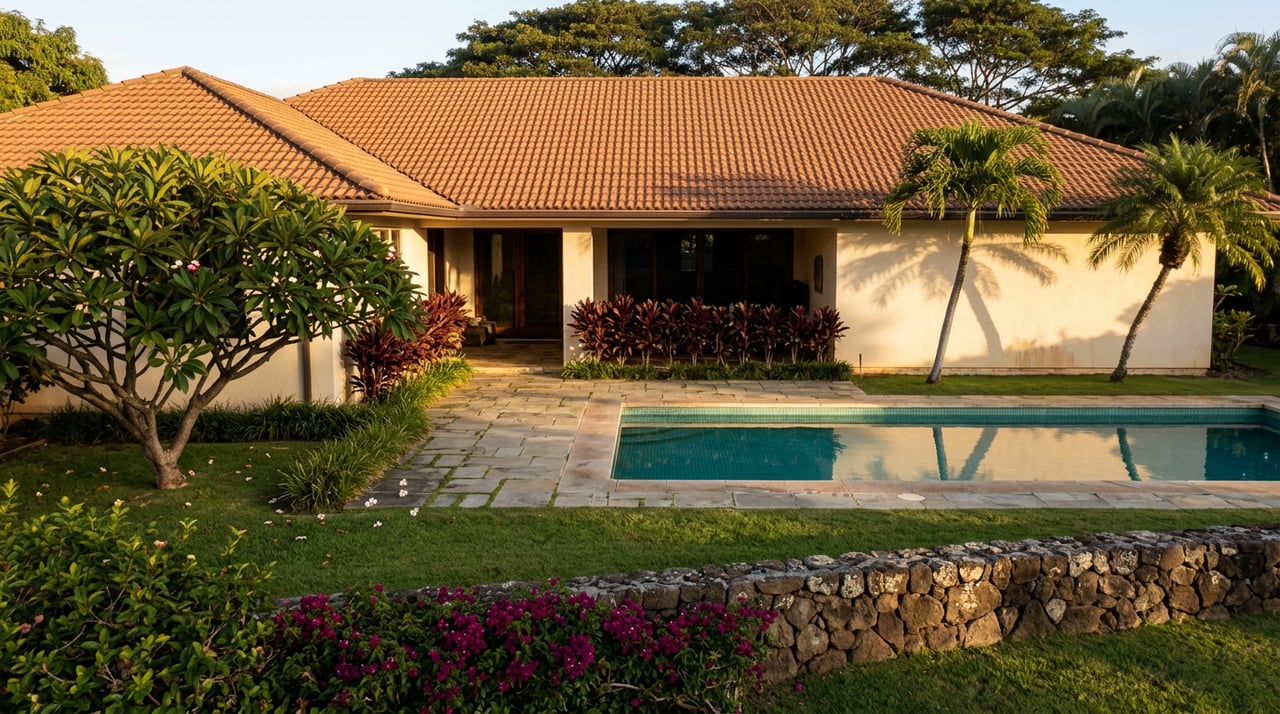
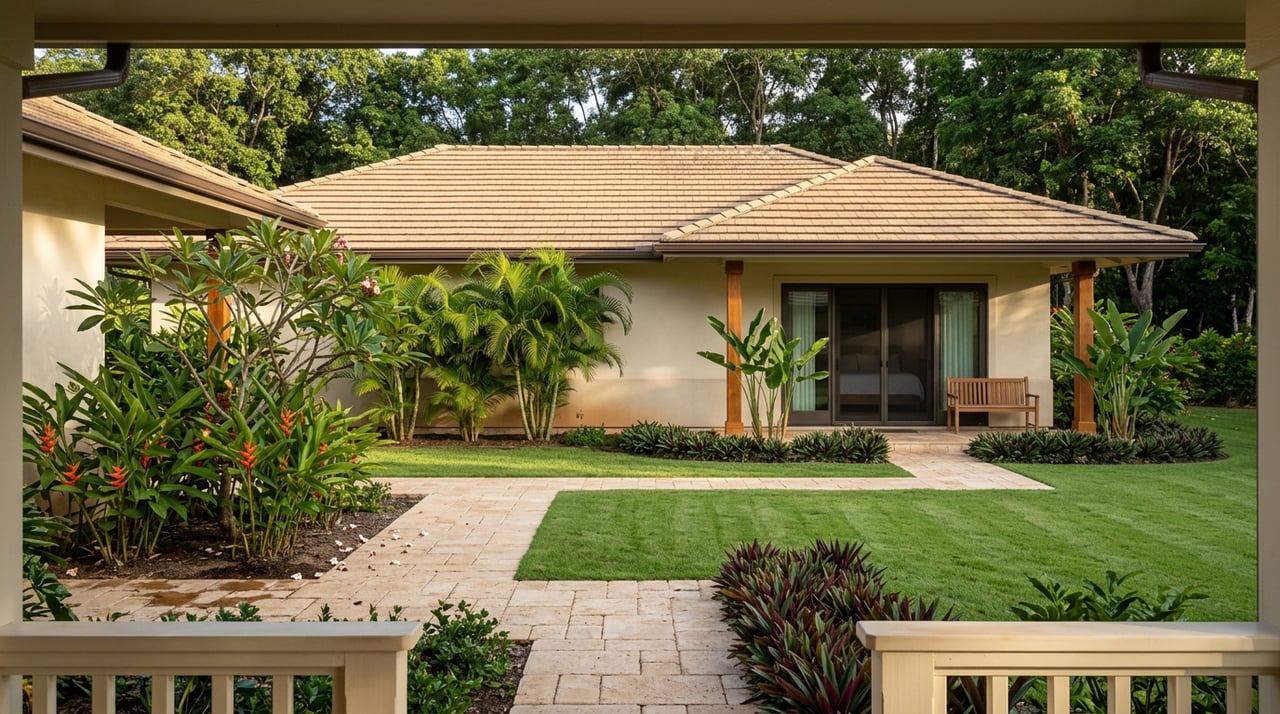
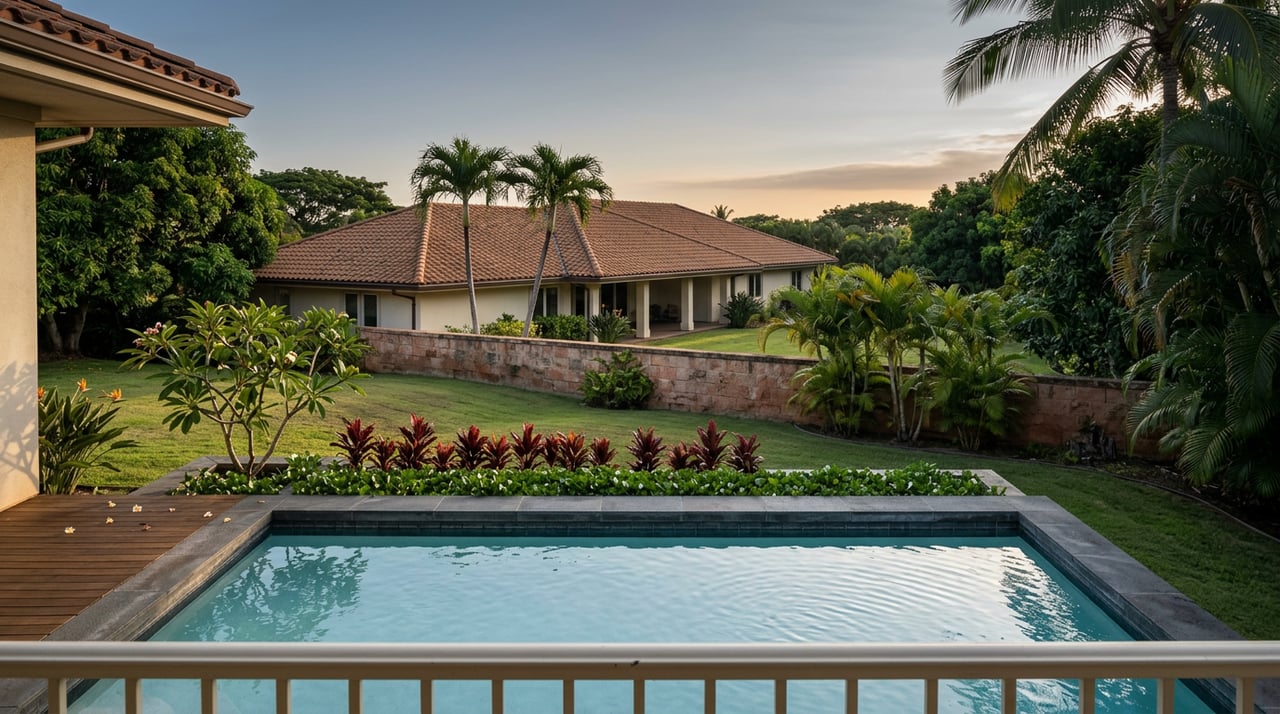
Many of these properties are designed more like compounds than simple single-home sites. The current market includes offerings with multiple structures, gated entries, large lanais, workshops, guest quarters, barns, and expansive outdoor spaces. In other words, the estate feel here often comes from both the home and the way the land is used.
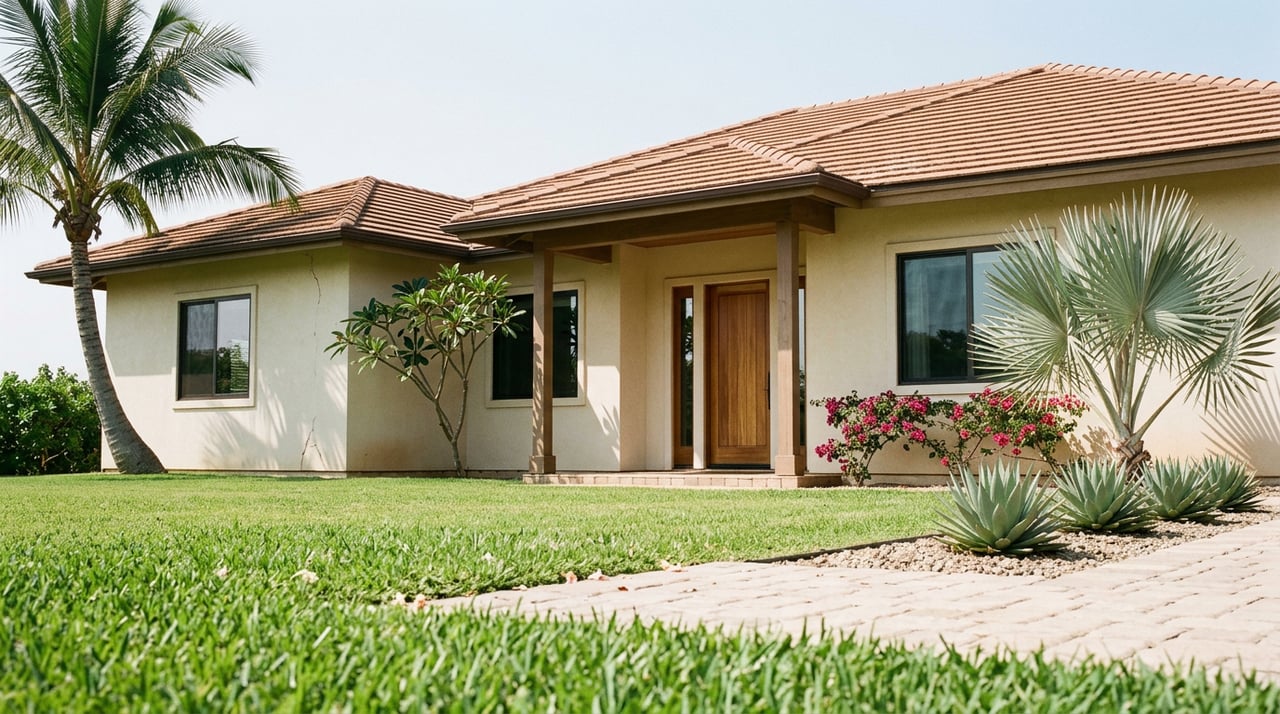
Style also varies more than many buyers expect. You may see plantation-style homes, ranch properties, contemporary bluff-top estates, riverfront stone homes, and multi-structure compounds. Even with that range, the common thread is an upscale, private setting shaped by open space and a stronger connection to the land.
Several features appear again and again in current Kīlauea acreage listings:
These details matter because they show what buyers in this market tend to value. It is not just about square footage. It is about privacy, flexibility, outdoor living, and in many cases, space for hobby agriculture or multi-structure living.
If you are drawn to acreage in Kīlauea, privacy is likely high on your list. Current public listings repeatedly emphasize quiet country roads, gated settings, cul-de-sacs, and separation from neighbors. That pattern suggests privacy is not just a bonus in this market. It is one of the defining features buyers are paying for.
This matters when comparing one property to another. Two homes may have similar acreage, but the actual experience can feel very different depending on road placement, entry design, topography, and how the structures sit on the land. A well-sited parcel can feel remarkably secluded while still offering practical access.
This is one of the most important parts of shopping for acreage in Kīlauea. On Kauaʻi, parcel size can directly affect what a property may support under the county’s Agriculture parcel build-out guide.
According to Kauaʻi County’s guide:
The county also states that lots larger than 25 acres may not have more than 5 farm dwelling units. For buyers imagining a compound, legacy property, or long-term multi-structure plan, this framework is essential.
Guest houses can be a major part of the appeal, but the rules are specific. Kauaʻi County says a guest house may be no more than 800 square feet, may contain a kitchen, and may not be used as a transient vacation rental or homestay. If you are trying to match a property to your lifestyle goals, those limits should be reviewed early.
Just as important, the county warns that zoning maps are general references only. They may not fully describe all restrictions affecting a specific parcel. That means parcel-level verification is critical before you assume anything about building rights, guest-house potential, or future subdivision options.
One of the most interesting things about Kīlauea acreage is that the land may be just as important as the house. Current listings show orchards, crop fields, flower-farm sections, and multi-use barns or workshops. For some buyers, that opens the door to a more hands-on lifestyle with gardens, small-scale farming, or support structures that expand how the property functions.
Kauaʻi County’s Agricultural Dedication Program is another layer worth understanding for farm-oriented buyers. The county says about 151,000 acres countywide are solely devoted to farming, and agricultural dedication filings for the coming tax year are due July 1. If agricultural use is part of your plan, it is smart to evaluate that issue as part of early due diligence rather than later in escrow.
Water service can vary from parcel to parcel, which is why this topic should never be treated as an afterthought. The Kīlauea Water System report says the area’s potable water comes from groundwater wells, is chlorinated, is stored in tanks, and meets or exceeds state and federal drinking-water standards. At the same time, some individual parcels have private wells, so you should confirm the exact source for any property you are considering.
County notices also show that water outages and service shutdowns can happen during storm damage or system-improvement work. On a larger parcel, backup storage and irrigation planning can be practical considerations, especially if landscaping or agricultural use is part of your vision.
Wastewater is another major due-diligence item. On Kauaʻi, the State Department of Health’s Kauaʻi Wastewater Branch regulates septic systems and cesspools, reviews wastewater plans, and reviews county permits for structures served by individual water systems. On rural acreage, this can directly affect what is feasible and what may require further review.
Large parcels can be beautiful, but they also ask more of you. Current listings stress gated entries, quiet roads, and no through traffic, while county materials note access roads through project sites in the area. What looks peaceful on paper should also be evaluated for day-to-day function, deliveries, service access, and emergency response.
County materials note that the nearest fire and police stations for the North Shore are in Hanalei, with hospitals in Kapaʻa and Līhuʻe. That does not make a property less desirable, but it does reinforce why access and site planning matter on larger or more remote acreage.
Topography is also important. County materials note stream gulch conditions in some project areas, and Kīlauea’s wetter setting means slope care, drainage, and vegetation management deserve serious attention. A lush parcel can be stunning, but the maintenance commitment may be much greater than buyers expect at first glance.
If you are considering a bluff-top or coastal property, take hazard review seriously. State GIS materials model coastal erosion on Kauaʻi’s sandy shores, and FEMA flood layers support flood-hazard review and flood-insurance analysis. Before closing, it is wise to review flood maps and shoreline-erosion layers carefully.
This is especially relevant when a property’s value is tied to its siting, views, or proximity to the coast. A beautiful setting should always be matched with a clear understanding of the site conditions that come with it.
When you tour estate-style acreage in Kīlauea, it helps to look past the first impression and evaluate the property as both a residence and a land asset. The best opportunities usually come from a strong match between your goals and the parcel’s actual legal and physical characteristics.
A helpful checklist includes:
This kind of buying process is where experienced guidance becomes especially valuable. On Kauaʻi, the difference between a beautiful parcel and the right parcel often comes down to details that are not obvious from photos alone.
If you are considering acreage in Kīlauea and want clear, strategic guidance on how to evaluate estate potential, land use, and long-term value, connect with Brenda Crawford for a private consultation.
Stay up to date on the latest real estate trends.
Etiam non quam lacus suspendisse faucibus interdum. Orci ac auctor augue mauris augue neque. Bibendum at varius vel pharetra. Viverra orci sagittis eu volutpat.