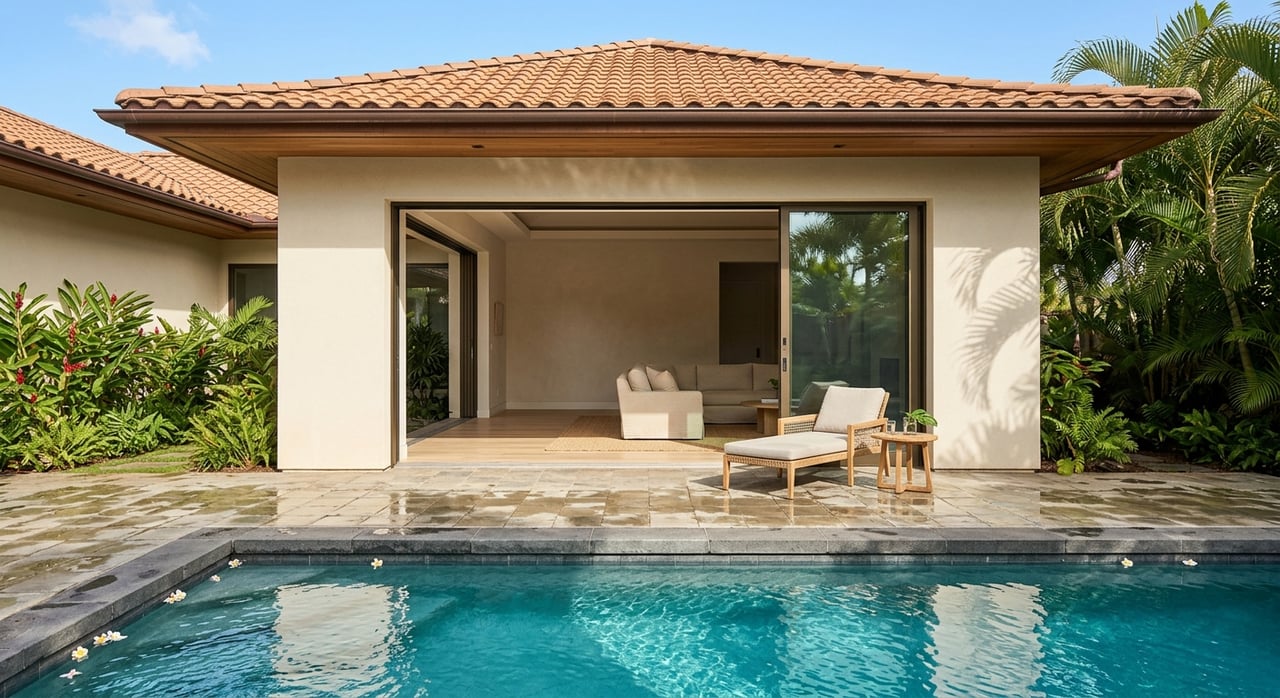
Kauai New Development Sales for Luxury Project Launches
May 21, 2026
May 21, 2026
If you are launching a luxury project in Kukuiʻula or elsewhere on Kauaʻi, you are not just bringing a property to market. You are introducing a lifestyle product in one of the island’s most visible resort environments. That means your pricing, timing, design story, and buyer experience all need to work together. Here is how to think about a successful launch in 96756 and across the South Shore. Let’s dive in.
Kukuiʻula is a 1,010-acre private club community in Poʻipū with luxury homesites, custom homes, villas, cottages, bungalows, golf, spa, dining, and farm and lake amenities. That matters because buyers in this segment are not comparing homes on square footage alone. They are weighing the full experience of ownership, services, and place.
For a developer, this changes the launch strategy. A project in Kukuiʻula or nearby must be positioned as a complete living experience. If the residence includes club access, resort services, or other special use features, those details should be clearly explained rather than left implied.
County planning materials describe Kōloa-Poʻipū as Kauaʻi’s premier resort destination. The area generates a major share of local jobs and property tax revenue, and it contains a large portion of the island’s visitor lodging units. In practical terms, that means your launch is happening in a market shaped by tourism, resort traffic, and arrival experience.
Visitors also play a big role in daily activity on Kauaʻi. County materials note that the island sees more than 1 million visitors per year, and that visitors make up about one-third of the combined resident and visitor population on a given day. Since 89% of visitors rent a car at the airport, traffic flow, parking, and clear wayfinding should be treated as part of your sales strategy.
A luxury launch on Kauaʻi should not be planned around construction alone. It should also account for when qualified buyers are most likely to be on island. DBEDT visitor data show stronger average daily visitor counts in winter and late summer, with softer activity in early fall.
That suggests a practical approach for presales and launch events. If you are targeting second-home buyers, resort-residence buyers, or investors who travel on fixed windows, it makes sense to align previews, broker events, and model-home appointments with those higher-traffic periods. A quieter season can still work well for focused follow-up and private appointments, but peak travel windows are often the best time to create momentum.
Many Kauaʻi luxury buyers are not local full-time residents. They often begin their search online and narrow their choices before they ever step on a plane. Research cited in the report shows buyers typically start online, rely heavily on agents, and find photos, detailed property information, floor plans, virtual tours, and videos especially useful.
For a project launch, this means your website and marketing package should be built for remote decision-making. You need strong photography, exact floor plans, clear property details, and a smooth path to schedule a private showing. Since many buyers also use mobile devices during the search, the experience should be easy to navigate on a phone or tablet.
In Kukuiʻula and Poʻipū, a standard model-home approach is usually not enough. The community plan emphasizes walkability, sustainability, and fit with place, while buyer research shows people want rich visual content and practical information. The on-site experience should connect those two ideas.
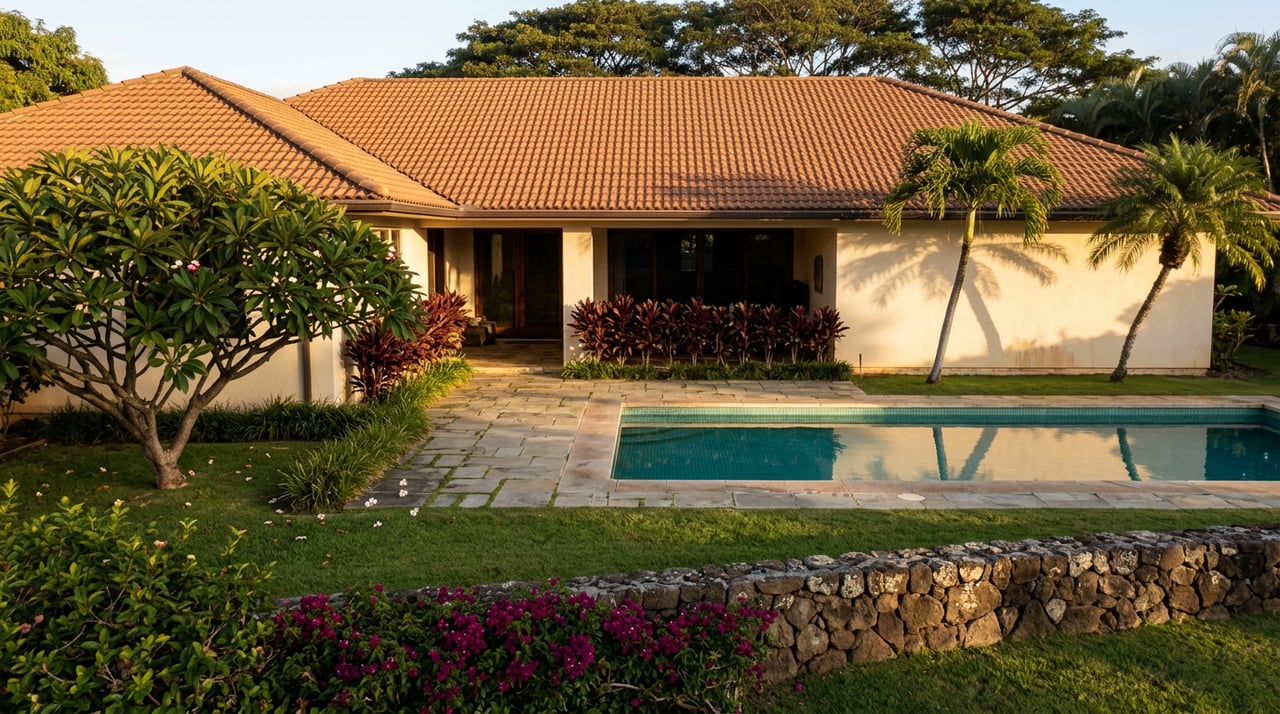
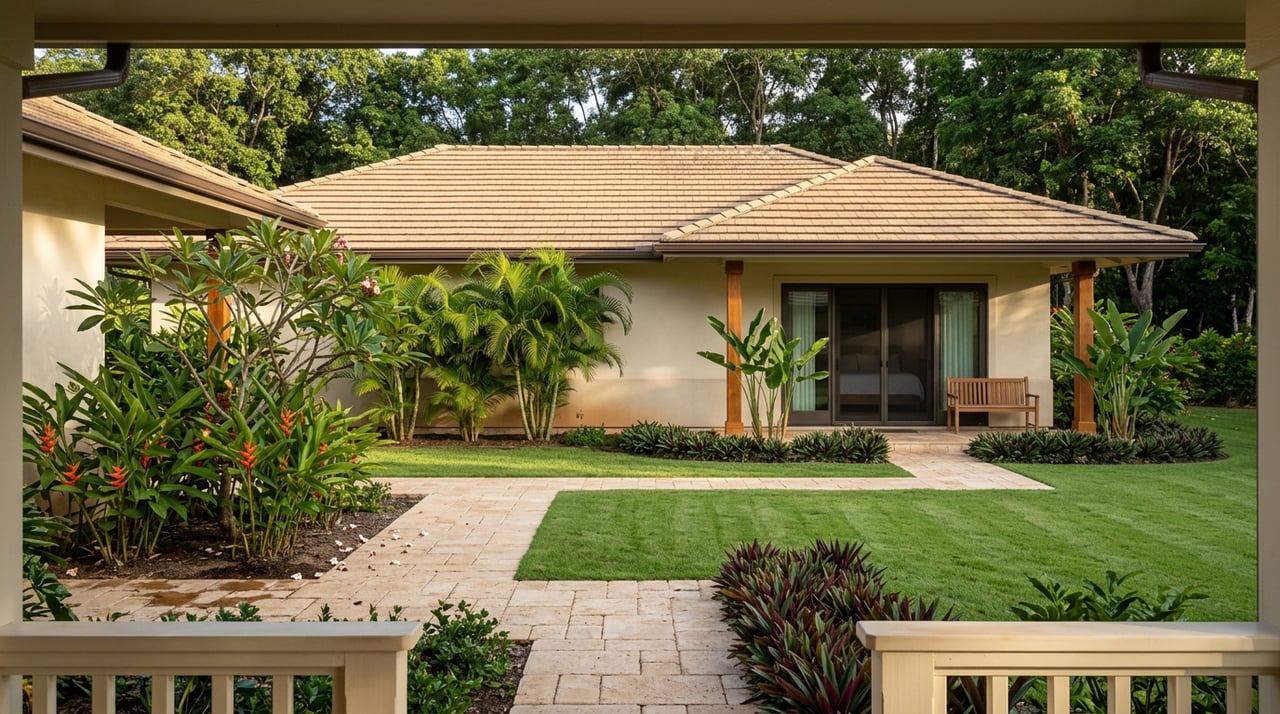
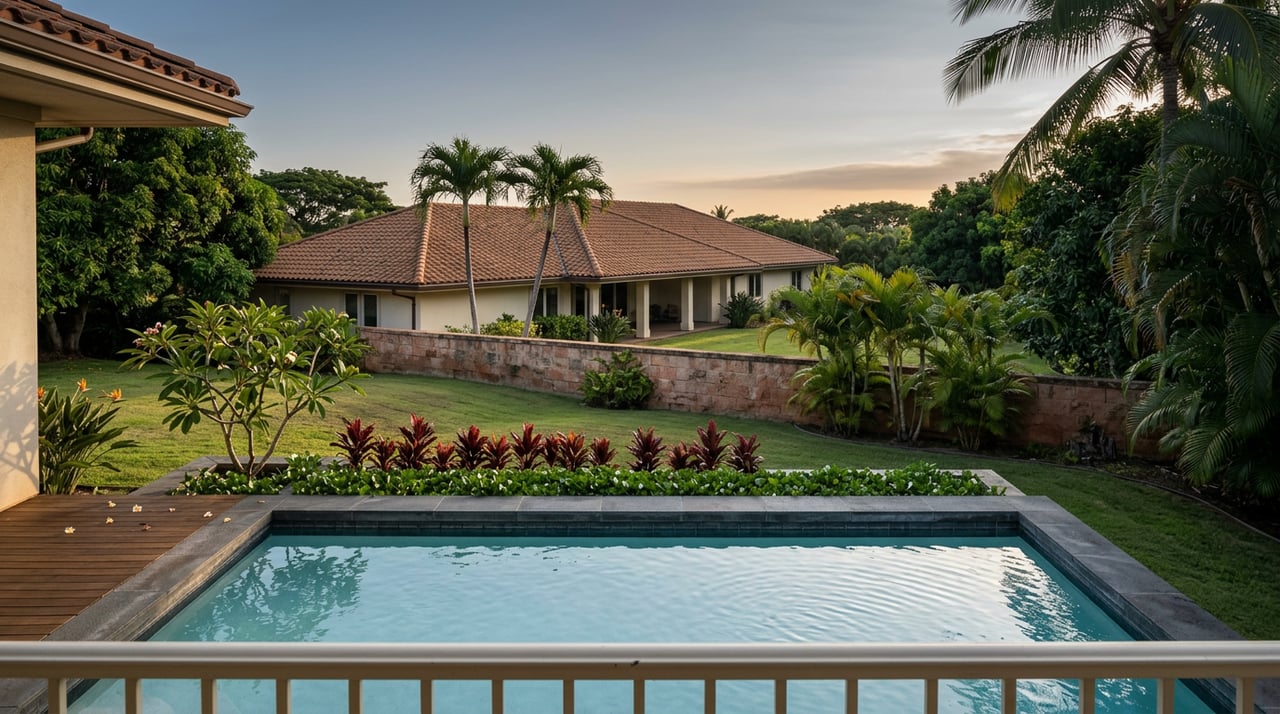
A strong sales gallery or model home should show how the home lives day to day. That includes indoor-outdoor flow, storage, climate comfort, arrival sequence, and the relationship between the residence and nearby amenities. Buyers should leave understanding not just what the finishes look like, but how ownership would actually feel.
Luxury staging works best when it helps buyers picture an easy, elevated lifestyle. According to NAR guidance in the research report, 83% of buyers’ agents say staging helps buyers visualize a home, and many professionals report stronger offered value when homes are staged well.
On Kauaʻi’s South Shore, the best staging is often restrained and architectural. Natural light, scaled furniture, neutral finishes, and uncluttered rooms tend to work better than heavy styling. Every room should have a clear purpose, and the overall presentation should support the home’s island-resort character rather than compete with it.
One of the biggest risks in a Kauaʻi luxury launch is vague or inaccurate rental messaging. Kauaʻi County states that short-term rentals of less than 180 days are not permitted outside the Visitor Destination Area. The county also notes that its GIS VDA map is informational only and does not replace a site survey or legal description.
That means VDA status should be verified through planning and permit records before any launch messaging is finalized. If a project may appeal to buyers interested in rental income, your materials should be precise about what is legally allowed. Legacy approvals or nonconforming uses are not the same as new entitlement, and buyers need clarity from the beginning.
If the project will be marketed for short-term rental use where allowed, tax compliance is not a minor detail. Hawaiʻi’s Department of Taxation states that short-term rentals of less than 180 consecutive days are subject to GET and TAT. The state transient accommodations tax increased to 11% effective January 1, 2026, and Kauaʻi County imposes a 3% county transient accommodations tax.
The state also requires TAT license numbers to appear in advertisements, including online advertising, and property owners remain responsible even when a third party collects rent and files on their behalf. For developers and project teams, that means compliance review should be part of the creative process, not an afterthought once ads are live.
On the South Shore, sustainability is not separate from luxury. The South Kauaʻi Community Plan emphasizes eco-friendly visitor experiences, walking and biking access, local sourcing, reduced dependence on cars, and protection of natural and cultural resources. It also identifies Kukuiʻula as an ideal area to promote ecotourism.
For a new project, this creates a clear opportunity. Place-based design, landscape integration, and thoughtful mobility planning can strengthen the appeal of the development while aligning with county priorities. Community-benefit messaging should feel real and specific, not generic.
Kauaʻi’s destination-management materials reinforce that point. County priorities include protecting natural resources, preserving Hawaiian culture, improving visitor satisfaction, and strengthening communication between residents and the visitor industry. A successful luxury launch should show how the project fits Kauaʻi, not just how it stands out in a brochure.
Buyer behavior data in the research report support a more hands-on sales approach. Since most buyers work through an agent and begin online, the on-site team should be ready to guide well-informed prospects through details that go beyond finishes and views. That includes legal use questions, ownership structure, timing, next steps, and follow-up.
In a market like Kukuiʻula, the best sales process feels more like private hospitality than open-house traffic. Appointment-based tours, strong broker coordination, and disciplined buyer qualification usually create a better experience. This is especially important during busy visitor periods, when access and time on island may be limited.
If you are preparing to launch a luxury project in 96756 or elsewhere on the South Shore, a strong framework usually includes the following:
When all of those pieces are aligned, a launch feels more credible, more polished, and more valuable to the buyer.
Whether you are introducing a single luxury residence, a resort-residence collection, or a larger community concept, success on Kauaʻi comes from more than good design. It comes from matching the product to the island’s legal framework, visitor patterns, buyer behavior, and sense of place. For tailored guidance on launching and marketing a luxury project on the South Shore, connect with Brenda Crawford.
Stay up to date on the latest real estate trends.
Etiam non quam lacus suspendisse faucibus interdum. Orci ac auctor augue mauris augue neque. Bibendum at varius vel pharetra. Viverra orci sagittis eu volutpat.