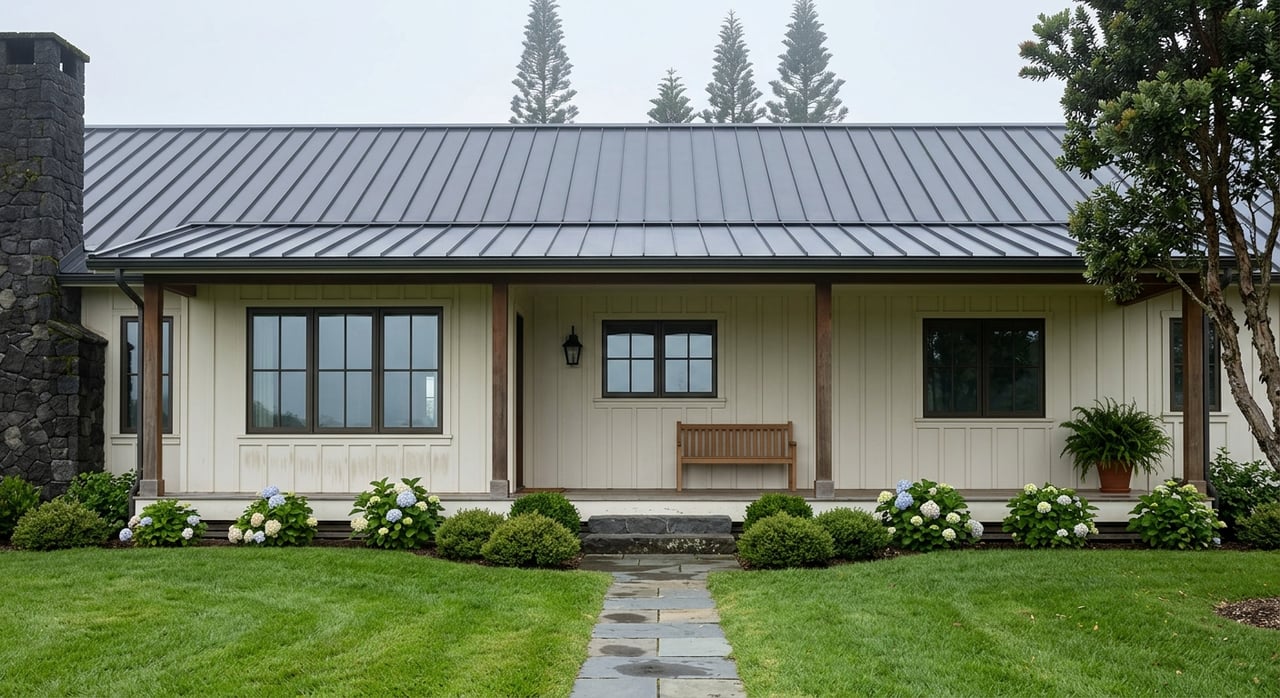
What Attracts Buyers To Upcountry Waimea Homes
June 18, 2026
June 18, 2026
Are you drawn to Hawaiʻi Island but not sold on resort-style living? Upcountry Waimea offers a different kind of appeal, one rooted in cooler temperatures, open landscapes, and a real sense of daily community life. If you are wondering why so many buyers look closely at Waimea homes, this guide will walk you through the features that make this area stand out. Let’s dive in.
One of the first things buyers notice about Waimea is the climate. The town sits at about 2,600 feet above sea level, between the Kohala Mountains and the slopes of Maunakea, which helps keep it several degrees cooler than many coastal areas.
That cooler setting gives Waimea a very different feel from the beach resort zones. You still have access to the ocean for day trips, but your home base can feel breezy, comfortable, and more relaxed.
County planning materials also describe Waimea as the greener, mountainous part of South Kohala. Instead of dry resort corridors, you will see rolling hills, volcanic puʻu, pasture, and forest that create a more rural and scenic backdrop.
The climate details support that impression. USDA soil data for the Waimea area describes mean annual rainfall of about 30 inches, a mean annual temperature of about 60 degrees Fahrenheit, strong winds, and drier summers, which helps explain why buyers often see Waimea as green without being overly wet.
Many buyers are looking for more than a house. They want a setting that feels peaceful, spacious, and connected to the land. Waimea delivers that through its plateau location, pasture surroundings, and broad upland views.
The County describes Waimea Town as a rural community on a plateau. That matters because it shapes expectations for the area. Buyers often come here because they want room to breathe rather than a compact, resort-dense environment.
The local soils and land patterns reinforce that sense of openness. USDA materials describe well-drained soils on moderate slopes that have long been used for grazing, which fits the area's broad rural character.
Waimea is not just scenic. It also has a strong sense of place that comes from its ranching history. That history helps buyers feel like they are stepping into a community with roots, character, and a recognizable identity.
Parker Ranch is central to that story. The ranch describes a history that stretches back centuries and notes that it raises herds across 130,000 acres in the rolling Waimea hillside.
County historical materials also explain that Waimea was shaped by ranching and cattle, with paniolo culture becoming a defining part of South Kohala beginning in the 1800s. For many buyers, that heritage adds depth to the area and sets it apart from locations built primarily around tourism.
This identity is still visible today. Parker Ranch remains a major landholding and symbolic presence in the community, and the rural development pattern in and around town continues to reflect that legacy.
Another major reason buyers are drawn to Waimea is that daily life feels manageable. Instead of relying on a resort zone for basics, you have a town with essential services, gathering places, and community amenities.
Hawaiʻi Preparatory Academy describes Waimea as having a modest downtown with grocery and drug stores, restaurants, shops, the North Hawaiʻi Community Hospital, and cultural venues such as Kahilu Theater. That mix helps create a lived-in town atmosphere rather than a visitor-focused one.
Parker Ranch Center adds to that convenience. It serves as a shopping, dining, and community destination with more than 40 stores, restaurants, and services, anchored by Foodland and Healthways.
For buyers, this often translates into a lifestyle that feels easier to settle into. You can enjoy a rural setting while still having everyday errands, dining, and services close at hand.
Waimea also appeals to buyers who want public spaces and community infrastructure nearby. That can make a big difference if you are planning to spend significant time in the area or make it your primary home.
Waimea Park is a County facility with a community center, sports fields, tennis courts, a playground, a skate park, and restrooms. Amenities like these help support a town where people live full-time and stay connected through local activities.
Waimea Nature Park adds another layer to that appeal. In a 2022 DLNR release, local leaders explained that the park responded to a need for more open space in Waimea, where much of the surrounding land is privately held.
The same release notes that five public and private schools are within walking distance of the park. That kind of location can be especially meaningful for buyers who value access to parks and community gathering space.
For many buyers, the strongest communities are the ones where daily needs are clearly supported. In Waimea, schools and health care are visible parts of town life, which adds confidence for buyers thinking beyond a short stay.
Waimea Elementary is a Hawaiʻi State Department of Education school in Kamuela. Parker School is an independent K-12 day school in Waimea, and Hawaiʻi Preparatory Academy operates lower, middle, and upper school campuses in town.
It is helpful to note that Waimea is commonly called Kamuela for postal purposes. Local institutions make clear that the town name is Waimea even though mail often uses Kamuela, which helps avoid confusion when you are researching the area.
Health care access is another practical advantage. Queen’s North Hawaiʻi Community Hospital is a 35-bed rural acute care hospital in Waimea, with outpatient clinics near Longs Drugs and at Parker Ranch Center.
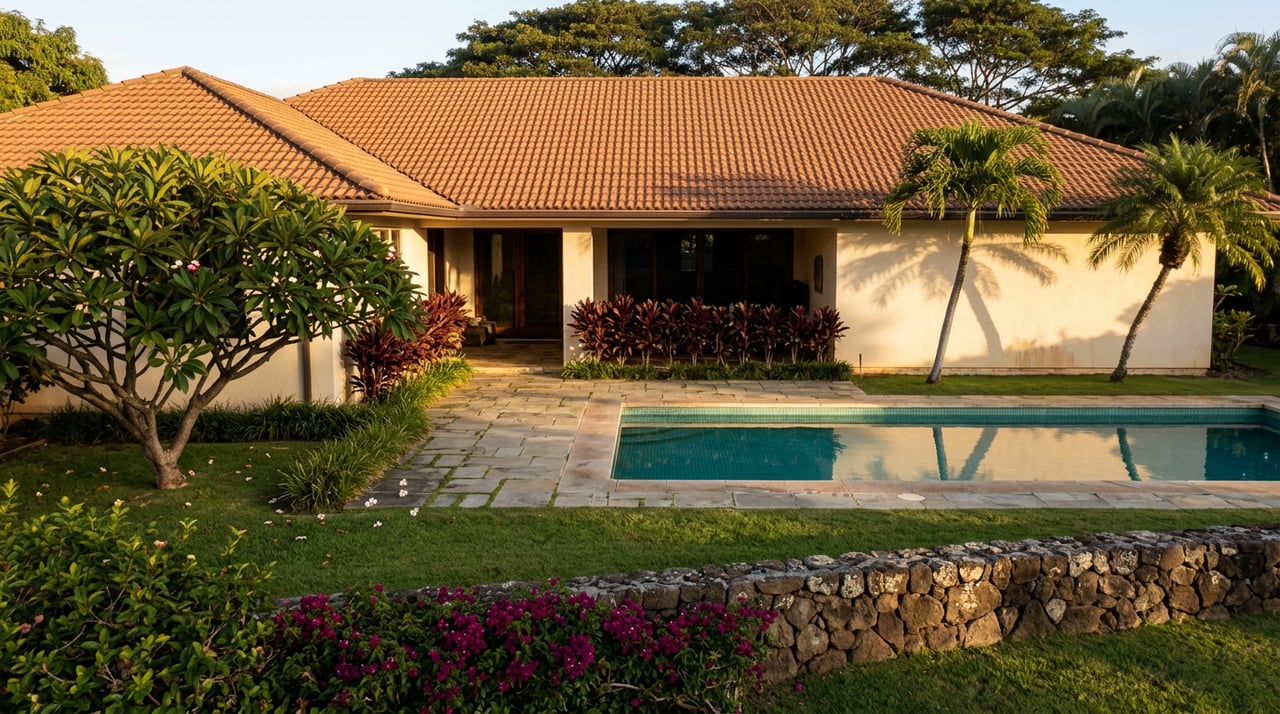
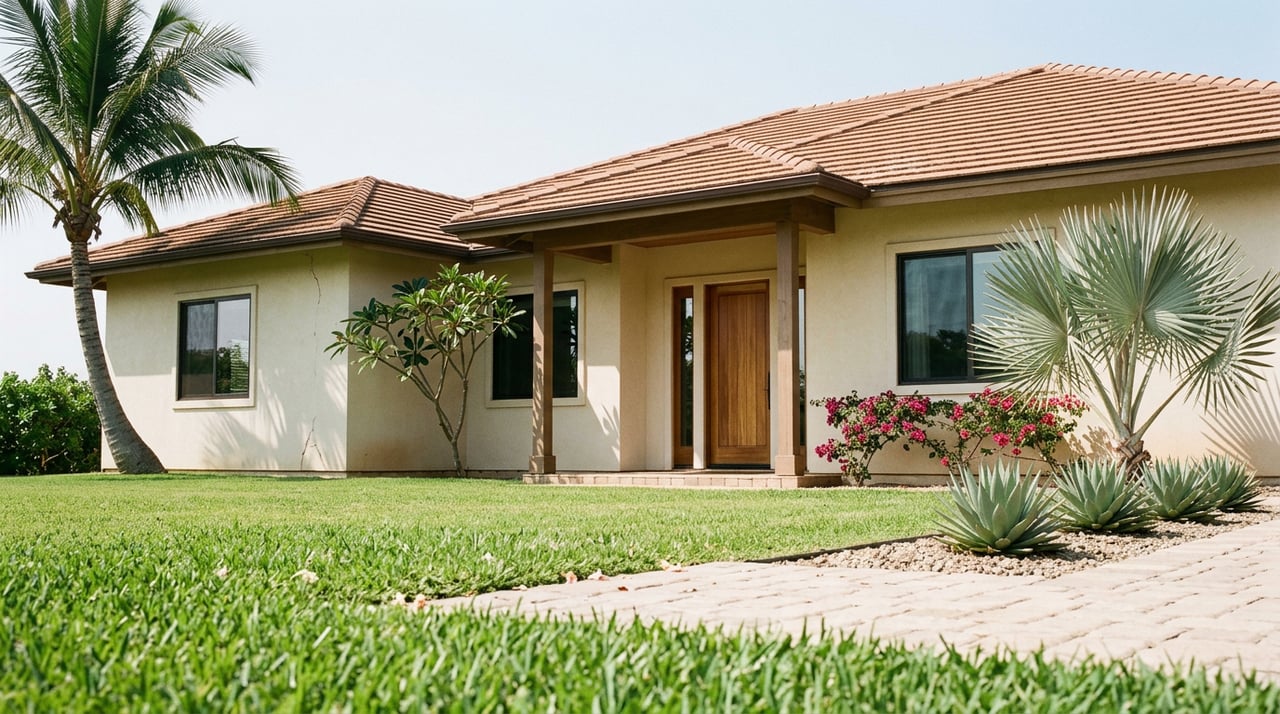
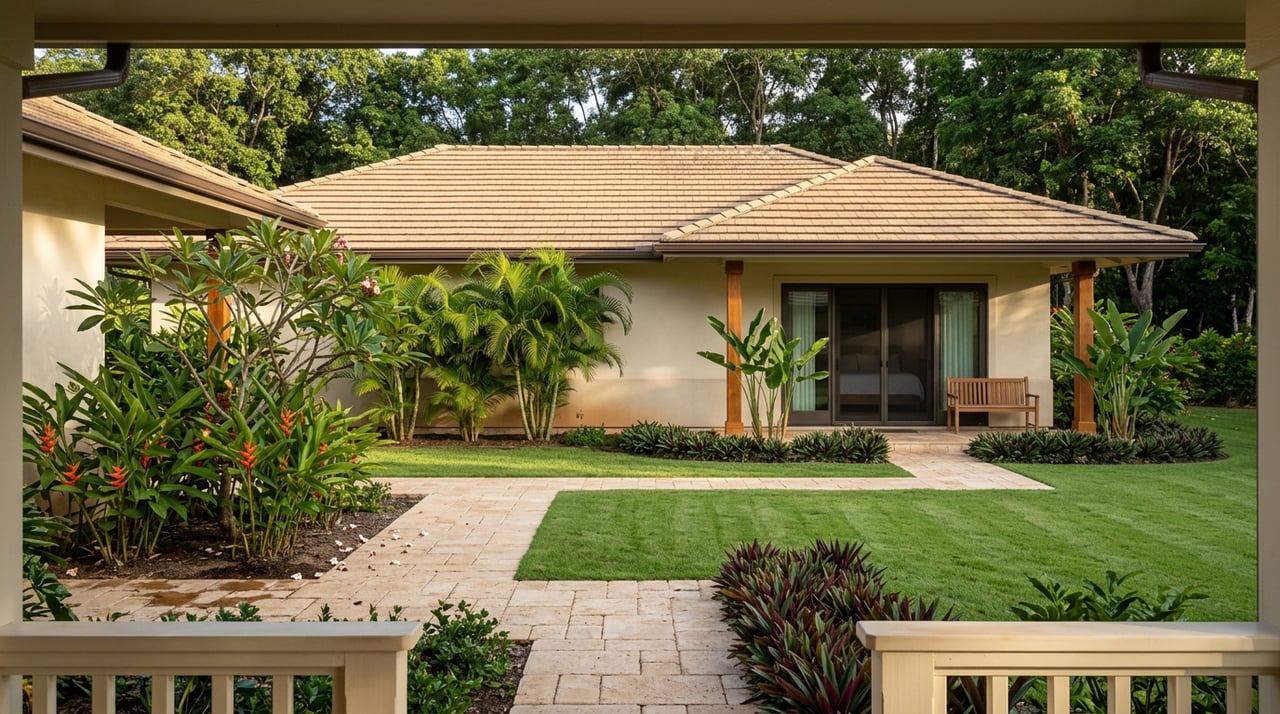
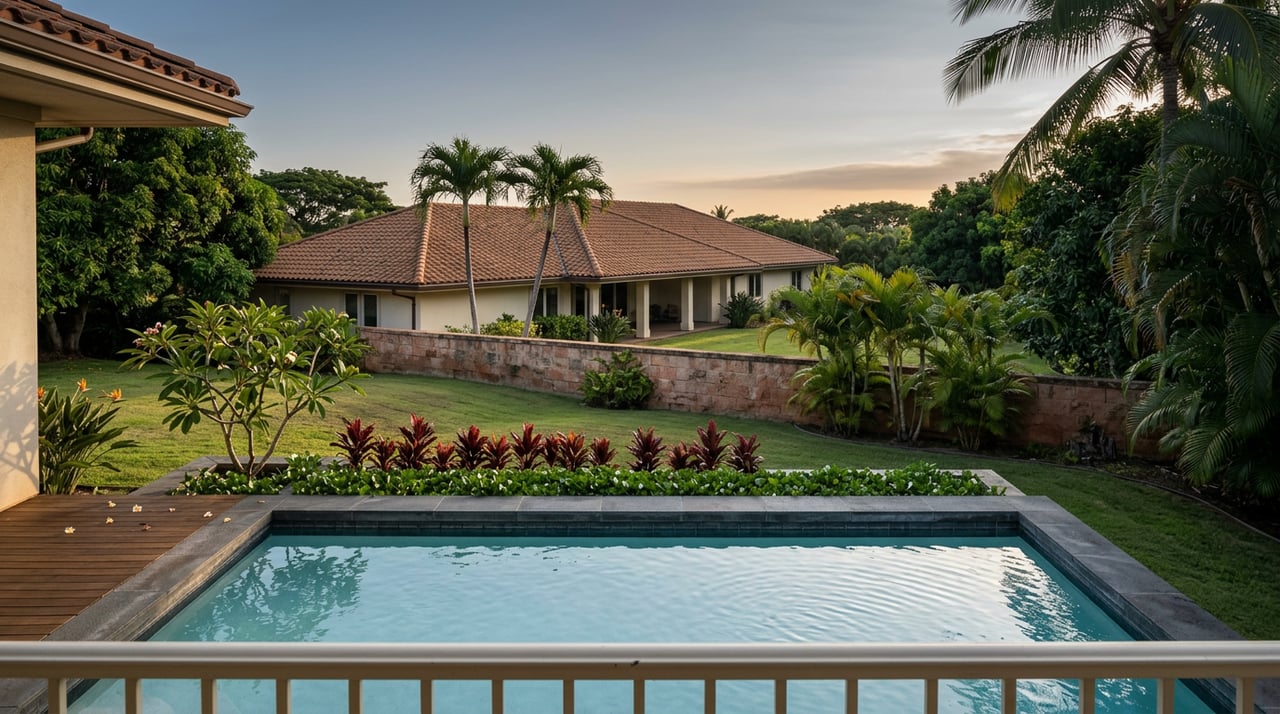
Buyers are often drawn to Waimea because the housing stock feels tied to the land and the town’s history. You are not looking at a high-rise or resort-tower market. Instead, the area is shaped by rural land patterns, neighborhoods, and single-family homes.
County planning materials describe not only Waimea Town itself but also nearby subdivision areas such as Kamuela Highlands. That supports the idea of a town-and-subdivision pattern rather than dense urban development.
Historic property records also show that ranch compounds and older homes remain part of the local landscape. Anna Ranch, for example, includes a main house, barn, slaughterhouse, tractor shed, gardener’s shed, and garage, illustrating the ranch-era building patterns still associated with Waimea.
For today’s buyers, that often means a mix of older kamaʻāina character, ranch-style architecture, and newer single-family homes. The result is a housing environment with more visual variety and more connection to local history.
A common thread among Waimea buyers is the desire for a home that feels more open and private. The area’s land patterns naturally support that goal.
Because the soils are well drained, the slopes are moderate, and grazing has long been a documented land use, many properties are associated with a more spacious, view-oriented feel. That does not mean every home has acreage, but it does help explain why buyers often come to Waimea looking for breathing room.
This is one of the key differences between Waimea and resort-centered locations. Buyers who prefer a quieter setting often appreciate that the area feels residential, rural, and grounded in everyday life.
Not every buyer comes to Waimea for the same reason, but a few patterns stand out clearly.
If you want a home in a place with schools, parks, shopping, and health care nearby, Waimea stands out. The town has practical infrastructure that supports day-to-day living, not just vacation use.
Some buyers love Hawaiʻi Island but want relief from hotter coastal conditions. Waimea’s elevation, breezes, and upland setting make it a natural fit for that goal.
Others are attracted to the area’s paniolo roots, open pasture views, and long ranching history. In Waimea, that identity is not staged. It is part of the community’s real story.
Waimea also works well for people who want reach, not isolation. Parker School says the Kohala Coast is about a 30-minute drive, and Hawaiʻi Preparatory Academy notes that the ocean remains easily accessible, so you can enjoy beach time without living in a resort zone.
In simple terms, Waimea appeals to buyers who want a more grounded version of island life. The area offers cooler weather, greener scenery, a strong ranch heritage, and a village-scale rhythm that feels practical as well as beautiful.
That combination is not easy to find. If you are looking for Hawaiʻi Island living with a true community feel, more open space, and a setting that is distinct from the coast, upcountry Waimea has a lot to offer.
If you are exploring island real estate and want thoughtful, experienced guidance, Brenda Crawford offers a high-touch, client-first approach built on local market knowledge and personalized service.
Stay up to date on the latest real estate trends.
Etiam non quam lacus suspendisse faucibus interdum. Orci ac auctor augue mauris augue neque. Bibendum at varius vel pharetra. Viverra orci sagittis eu volutpat.